
Technology Adoption in Education: A Systematic Literature Review

Volume 5, Issue 6, Page No 108–112, 2020
Adv. Sci. Technol. Eng. Syst. J. 5(6), 108–112 (2020);
DOI: 10.25046/aj050611
Keywords: Technology Adoption, Systematic Literature Review, Education, M-Learning, E-Learning, COVID-19
Technology is advancing faster today than ever before with evidence of its impact in all facets of our lives. With the spread of the novel COVID-19 pandemic across the world, schools were closed as part of lockdown measures to contain the virus thereby disrupting academic curricula. Academic institutions leveraged ICTs to virtually engage students and teachers. Technology adoption will become a new reality for teaching and learning processes. However, the choice of adopting and not adopting this technology is based on an individual’s decision on the benefits or risks in using this technology. The objective of this study is to find topical and relevant studies that have been conducted on technology adoption in education. A systematic literature review was adopted to classify and evaluate articles that fits pre-specified selection criteria using Google Scholar and IEEE databases. 132 papers were found to match the search criteria and filtered to 17 articles using applied exclusion criteria. Current research highlights the trends in technology adoption and provide empirical evidence of applications that have been used to implement technology in educational settings. This research also adds to new literature on COVID-19 in relation to its effect on academic curriculum across the world. Future research will investigate areas that can be expanded and improved on to leverage the benefits of ICTs to limit the adverse impact on the performance of teachers and students in the event of a disruption to academic activities.
1. Introduction
Technology adoption is the choice of an individual to acquire and use an innovation. Technology is advancing faster today than ever before with developments such as cloud computing, robotics, Internet of Things (IoT), Artificial Intelligence (AI), Machine Learning (ML), etc., opening fresh opportunities for value creation and contributing to our life experiences. There is a consensus in both industry and academia on the growing importance of technology as a robust means for survival in today’s fast-paced and knowledge-driven world [1]. Evidence abound of its success and impact on teaching and learning via documented research studies [2-4].
Moreover, adopting or rejecting a new technology is based on an individual’s perception of the benefits of using the tool to achieve a goal [5, 6]. Although technologies are advancing, the decision not to adopt has been categorised by poor innovation implementation, high cost, high failure rates, maintenance, poor technological planning, inadequate stakeholder participation [6-8]. An understanding of the factors affecting an individual’s choice to adopt technology is essential both for stakeholders using these technologies as well as creators and producers of such technologies. Several theories and models exist to allow us understand the acceptance or rejection of a technology by an individual: This includes but not limited to Technology Adoption Model (TAM), Innovation Diffusion Theory (IDT), Unified Theory of Acceptance and Use of Technology (UTAUT), etc. [9].
The present research aims to fulfil the objective: To provide a summary of studies to determine the level of technology adoption in an academic setting. On this basis, a systematic literature review approach was employed to achieve this objective. Google Scholar and IEEE databases were searched using the keyword ‘technology adoption and education or learning’. One hundred and thirty-two articles were initially obtained from the search. Inclusion and exclusion criteria were applied which reduced the list to 17 articles. These 17 articles were further analysed to fulfil the purpose of this research.
The next section presents the research method for this study. The result section provides the outcome of the literature review and the analysis of the selected literature. This is followed by the conclusion and possible area of future research.
2. Methodology
This section provides an overview of the research method used in the present research. The approach stipulated by [10] to conduct systematic literature was adopted.
2.1. Data sources and selection criteria
This paper reviews the adoption of various technology used in schools for teaching and learning. Therefore, the combination of the following keywords was applied: “Technology Adoption AND education OR learning”. The title and abstract were checked for the occurrence of the keywords to ensure results are for articles focused on the study’s research objective. English language was used to conduct this search to obtain a global perspective on the topic as well as avoid narrow searches. We limited our search to peer-reviewed texts available in online published journals and conference proceedings from Google Scholar and IEEE electronic databases.
The following inclusion criteria were deemed relevant for the present research:
- Studies on technology adoption application in education
- Studies that engage in any kind of technologies to support learning
- Studies written in English
The following exclusion criteria to remove articles not deemed fit for the current study:
- Studies that are not published as peer-reviewed journal articles and conference papers
- Studies not originally written in English language
- Studies whose full text is not available online and
- Studies discussing technology adoption but not with an educational focus.
3. Result
As presented in Figure 1, the search and refinement process followed six steps.
Step 1: Database search was conducted using the above-mentioned keywords. A total of 132 articles was realised. Step 2 focused on the application of the selection criteria by checking to remove duplicates due to the search using dual databases resulting in 130 articles. Step 3 reviewed the abstract to determine whether the article focused on the study’s research objective and relevance to technology adoption. This allowed the study to remove 81 articles and left with 49 articles.
In step 4, full-text review was done on the 49 literatures for eligibility to provide a clear understanding of the research objectives. This allowed the study to exclude 8 articles which do not fit with reason resulting in 41 articles. Further qualitative review for quality assurance to ensure appropriateness and relevance to the research study was applied on these 41 articles. This allowed this study to arrive at a final list of 17 articles to be considered for review.
3.1. Review of the Selected Literature
One of the well-known success areas of technology adoption is the usage of m-learning in education. One of the motivations is the provision and easy access to learning content [11].
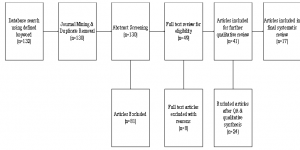
Figure 1: Steps to selection criteria and final outcome
A study by [12] used TAM to analyse factors that influence learner’s technology adoption. They found that the factors economics, usefulness, suitability, ease of use, enjoyment, and social influence impact learners’ adoption of m-learning to facilitate and promote learning. Likewise, [13] explored the capacity and acceptance of mobile instant messaging, an m-learning platform to increase student performance. They suggest that device portability, communication cost, collective capabilities, and learner control of the device are key factors of flexible learning in digital environments.
Evaluating the factors and effectiveness of e-learning adoption on student learning, [14] adopted the Interactivity Distance Education Web Learning (IDEWL), an enhanced online course creative and conferencing tool that integrates other add-on tools like online survey and e-blackboard for their study. There survey found e-learning effective with the enhancement of the interactivity modules in the students learning process.
On the other hand, [15] reported that the compulsory usage factor is essential for overall adoption of the e-learning system (ELS), either in a compulsory or voluntary setting. This is due to its effectiveness in promoting ELS as a core learning platform for students as well as discourage them from using other means to receive an education.
Similarly, [16] measured the factors that affect learners’ adoption of blended ELS (BELS) and the perceived satisfaction of BELS according to their learning styles and gender differences. They report learning style did influence adoption of technology to provide flexible learning and improve understanding. In another related study, [17] examined the relationship between student’s learning satisfaction and their use of video in a Moodle environment. He found that the use of video significantly impacted student’s learning performance and satisfaction.
In answering student’s willingness to learn using e-learning, [18] opines that designers of e-learning sites must ensure ease of navigating the web interface during the learning process. This designers must also ensure the quality of contents uploaded on the websites to enhance students learning while exploring college students learning attitudes with respect to their adoption of English e-tutoring websites. Using TAM as a theoretical framework for their study. There result showed that most users of English e-tutoring sites found online sources more effective and offer greater ease than traditional resources.
Furthermore, [19] conducted a study to examine key factors influencing the adoption of iPads using factors from extended TAM to design and deliver course content by academics. They found that University academics found iPads useful and easy to use with a high level of compatibility with their work.
Using the tablet devices in the classrooms, [20] reports that tablets impacts teaching and learning practices. This tablet devices provides a shift from the traditional way students learn to the media-rich and interactive environments. They therefore recommend stakeholders introduce educational and technical support to assist both educators’ and learners’ understanding of the benefit of these technologies in education.
Despite the growth and positive outcomes of technology adoption in education, [21] found that males and females do not differ in their belief about the usefulness of e-books. Usage of e-book in South African higher education corresponds to the effort and the external pressure exerted on students to promote the acceptance of e-books.
On mobile technology adoption for learning, [22] explored the correlation between students’ ICT skills and factors that impact mobile technology adoption using the TAM framework. They found that basic and advanced ICT skills in mobile technology both played important roles in the intention to adopt m-learning.
Using mobile technology to enhance the convenience of teaching the English Language in Taiwan, [23] extended the factors of TAM to explain factors that affect the adoption of PDA. There result showed that extended TAM was effective in predicting and explaining the acceptance of English mobile learning.
To facilitate teaching and learning processes using the Learning Management Systems (LMSs) by University staffs, [24] used TAM extensions to identify factors that influence LMS usage behaviour and their underlying causal relationships. The analysis of data reveal that the proposed factors were significant predictors of faculty staff attitude towards LMSs. This confirms the validity of the extended TAM in determining users’ technology acceptance.
In testing the effectiveness of a Blackboard (Bb) course management system (CMS), [25] used an experimental and control group to conduct his test on English writing instruction in and outside of the Bb environment. The experimental group achieved encouraging results than the control group thereby contributing to learning English writing using Bb. They also identified attitude, perceived usefulness, perceived ease of use, and technical support affect the adoption of CMS.
In [26], authors studied the effect of experience on students’ intention to adopt webcast and found that students with previous experience in educational webcasts are most likely to adopt webcast. Ease of use and usefulness were found to be important factors in determining students’ BI to use webcasts for learning purposes. They recommended that Webcast developers should pay attention to learners’ intrinsic motivations and make them feel comfortable when using the environment for learning.
In conclusion, [27] extended the TAM model to explain the adoption and usage behaviour of social media users in higher education. It was found that subjective norm, perceived usefulness, perceived playfulness (happiness), and perceived ease of use strongly predict students’ social media usage behaviour. Their findings suggest that social media use in classrooms should continue in higher institutions. This is because the intention to use translate to the actual use of this ICT tools.
The above review shows technology adoption has the potential to be used as an effective educational platform either directly or as an alternative tool for teaching and learning process.
4. Results of the Review
From the 17 articles examined, this section presents other findings from the above review and discusses the outcomes of the issues related to technology adoption as follows:
4.1. Publication History and Frequency
Figure 2 shows the history and frequency of the identified articles selected for review. We observe the number of articles remains reasonably constant (2006-2012) with a noticeable peak in 2015. The low volume of publications between 2016 and 2019 could be related to our exclusion criteria which may have led to the omission of recent literatures. However, the existence of up-to-date papers lends itself to continuing research efforts and trends of technology adoption in education.
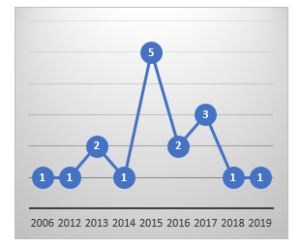
Figure 2: Publication History and Frequency
4.2. Publication Type
From the review of identified literature, Figure 3 presents the result of the articles reviewed by the publication type. It was observed that most of the articles (88%, 15 articles) were obtained from published journals and the remainder (12%, 2 articles) are conference proceedings. The different sources of articles for the current research eliminate possible publication bias.

Figure 3: Publication Type
4.3. Word Cloud of technology adoption tools
As evidenced by the articles reviewed, Figure 4 shows the various technology adoption tools adopted for teaching and learning in education. M-learning and e-learning are mostly used technology. Other tools are classified into these two categories.
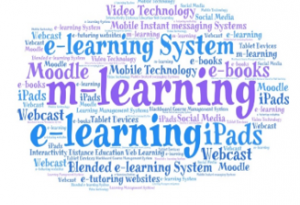
Figure 4: Word Cloud of Technology Adoption Tools
4.4. Possible limitations of this review
Even though, this research followed the steps for conducting a systematic review as specified by [10], it is not without limitations. For instance, the review results are limited to the search keywords used, and thus some studies may not have been included. However, we attempted to compensate for this by also relying on related recent literature reviews.
5. Future Research
Future research will investigate areas that can be expanded and improved on to increase the predictive performance of the Technology Adoption in education to support student’s academic achievements.
6. Conclusion
The potential of technology has been identified in the above reviewed literature [14-17]. However, these technologies were blended with face to face interactions [25]. With the recent wave of the COVID-19 pandemic and the closure of schools, many schools were forced to seek alternative and virtual means of keeping the curriculum going using appropriate and connective technologies. This implies that technology adoption will gradually become a new normal in education as countries are gradually opening economic and academic activities that were affected by the COVID-19 pandemic.
Although a range of technologies is used in education, e-learning and m-learning are the major tools adopted by many institutions to enhance teaching and learning as identified in the reviewed literature. However, despite the usage of technology adoption as reported in this study, [28-29] reports present findings on the challenges faced with the adoption of technologies as related to COVID-19. This includes affordability and availability of connectivity to the internet to access academic resources while most educators lack the technical support needed to use this ICTs.
The current study implemented a systematic literature review approach to provide a general picture of the usage of technology in education. Google scholar and IEEE databases were searched for articles published in online journals or conference proceedings from 2006 to 2019. The keyword Technology Adoption AND education OR learning was which resulted in an outcome of 132 articles. This was reduced to 17 articles for in-depth analysis using defined selection criteria. The researchers specifically conducted an analysis of contributions considering the research objectives that covered the year of publication, publication type, technology adoption platforms employed in the research study.
The findings highlight that technology is a relevant tool in schools to deliver the learning needs of 21st century students as learners prepare to return to schools with the lifting of barriers to academic activities. It is believed that the current COVID-19 challenge will change academic curricula and lead to the prevalent usage of technology in the future.
Conflict of Interest
The authors declare no conflict of interest.
Acknowledgment
The present research has been prepared by Kayode Emmanuel under the supervision of Dr Anneke Harmse and Prof Tranos Zuva and supported by the Department of ICT at the Vaal University of Technology, Vaal, South Africa.
- A. Hidalgo, J. Albors, “Innovation management techniques and tools: a review from theory and practice,” R&d Management 38, 113-127, 2008, doi:10.1111/j.1467-9310.2008.00503.x.
- A. R. A. Arokiasamy, “A systematic review approach of mobile technology adoption in higher education,”. Economics, Management Sustainability 2, 48-55, 2017, doi:10.14254/jems.2017.2-2.5.
- R. Scherer, F. Siddiq, J. Tondeur, “The technology acceptance model (TAM): A meta-analytic structural equation modelling approach to explaining teachers’ adoption of digital technology in education”, Computers Education 128, 13-35, 2019, doi:10.1016/j.compedu.2018.09.009.
- K. E. Oyetade, A. Harmse, T. Zuva, “Technology adoption factors in education: A review,” in 2020 International Conference on Artificial Intelligence, Big Data, Computing and Data Communication Systems, (IEEE, Durban, 2020, doi:10.1109/icABCD49160.2020.9183830.
- M. C. M. O. Nemoto, E. P. G. d. Vasconcellos, R. Nelson, “The adoption of new technology: conceptual model and application,”. Journal of technology management innovation 5, 95-107, 2010, doi: 10.4067/S0718-27242010000400008.
- C. Plewa, I. Troshani, A. Francis, G. Rampersad, “Technology adoption and performance impact in innovation domains,” Industrial Management & Data Systems 112, 748 – 765, 2012, doi:l0.1108/02635571211232316.
- E. D. Adamides, N. Karacapilidis, “Information technology support for the knowledge and social processes of innovation management,” Technovation 26, 50-59, 2006, doi:10.1016/j.technovation.2004.07.019.
- L. Dooley, D. O’Sullivan, “Developing a software infrastructure to support systemic innovation through effective management,” Technovation 23, 689-704, 2003, doi:10.1016/S0166-4972(02)00020-2.
- K. E. Oyetade, T. Zuva, A. Harmse, “A review of the determinant factors of technology adoption” in Computer Science On-line Conference (Springer) 1226, 274-286, 2020, doi:10.1007/978-3-030-51974-2_26.
- A. Siddaway, “What is a systematic literature review and how do I do one” University of Stirling 1, 1-13, 2014, Available online: https://pdfs. semanticscholar.org/2214/2c9cb17b4baab118767e497c93806d741461.pdf (accessed on 20 Sep. 20).
- S. Jeremy, K. E. Oyetade, K. G. Fomunyam, Operational Use of Mobile Learning: Understanding and Retention of Curriculum Content, Apple Academic Press, 2019, https://www.appleacademicpress.com/title.php?id=9781771887854.
- M. Sarrab, I. Al Shibli, N. Badursha, “An empirical study of factors driving the adoption of mobile learning in Omani higher education,” International Review of Research in Open Distributed Learning, 17, 331-349, 2016, doi: 10.19173/irrodl.v17i4.2614.
- A. Bere, P. Rambe, “An empirical analysis of the determinants of mobile instant messaging appropriation in university learning,” Journal of Computing in Higher Education, 28, 172-198, 2016. doi: 10.1007/s12528-016-9112-2.
- A. T. Baharin, H. Lateh, S. S. Nathan, H. mohd Nawawi, “Evaluating effectiveness of IDEWL using technology acceptance model,” in 2015 Procedia-Social Behavioral Sciences (Elsevier), 171, 897-904, 2015, doi: 10.1016/j.sbspro.2015.01.207.
- Y. C. Lee, “An empirical investigation into factors influencing the adoption of an e-learning system,” Online information review, 2006, doi: 10.1108/14684520610706406.
- A. Al-Azawei, P. Parslow, K. Lundqvist, “Investigating the effect of learning styles in a blended e-learning system: An extension of the technology acceptance model (TAM),” Australasian Journal of Educational Technology 33, 2017, doi: 10.14742/ajet.2758.
- J. T. Nagy, “Evaluation of online video usage and learning satisfaction: An extension of the technology acceptance model,” International Review of Research in Open Distributed Learning, 19, 2018, doi: 10.19173/irrodl.v19i1.2886.
- P. J. B. Tan, “An empirical study of how the learning attitudes of college students toward English e-tutoring websites affect site sustainability” Sustainability, 11, 1748, 2019, doi: 10.3390/su11061748
- M. S. Lane, A. Stagg, “University staff adoption of iPads: An empirical study using an extended TAM model,” Australasian Journal of Information Systems 18, 2014, doi: 10.3127/ajis.v18i3.876.
- H. Montrieux, R. Vanderlinde, T. Schellens, L. De Marez, “Teaching and learning with mobile technology: A qualitative explorative study about the introduction of tablet devices in secondary education,” PloS one, 10, 2015, doi: 10.1371/journal.pone.0144008.
- D. K. Maduku,” Factors of E-book use intentions: Perspectives of students in a developing country,” Perspectives on Global Development and Technology, 14, 597-618, doi:10.1163/15691497-12341364.
- K. Mac Callum, L. Jeffrey, “The influence of students’ ICT skills and their adoption of mobile learning,”. Australasian Journal of Educational Technology 29, 2013, doi: 10.14742/ajet.298.
- C.-C. Chang, C.-F. Yan, J.-S. Tseng, “Perceived convenience in an extended technology acceptance model: Mobile technology and English learning for college students,” Australasian Journal of Educational Technology 28, 2012, doi: 10.14742/ajet.818.
- N. Fathema, D. Shannon, M. Ross, “Expanding the Technology Acceptance Model (TAM) to examine faculty use of Learning Management Systems (LMSs) in higher education institutions,” Journal of Online Learning Teaching, 11, 2015, https://jolt.merlot.org/Vol11no2/Fathema_0615.pdf.
- Y.-R. Tsai, “Applying the Technology Acceptance Model (TAM) to explore the effects of a course management system (CMS)-assisted EFL writing instruction,” Calico Journal, 32, 153-171, 2015, doi:10.1558/calico.v32i1.25961.
- M. N. Giannakos, P. Vlamos, “Educational webcasts’ acceptance: Empirical examination and the role of experience,” British Journal of Educational Technology, 44, 125-143, 2013, doi:10.1111/j.1467-8535.2011.01279.x.
- D. Z. Dumpit, C. J. Fernandez, “Analysis of the use of social media in Higher Education Institutions (HEIs) using the Technology Acceptance Model,” International Journal of Educational Technology in Higher Education, 14, 5, 2017.
- T. E. Africa, “The Effect of Covid-19 on Education in Africa and its Implication for the Use of Technology,” 1-81, 2020, doi:10.5281/zenodo.4018774.
- E. J. Sintema, “Effect of COVID-19 on the Performance of Grade 12 Students: Implications for STEM Education,” EURASIA Journal of Mathematics, Science and Technology Education, 16, 1-6, 2020, doi: 10.29333/ejmste/7893.
- Andi Kristanto, Utari Dewi, Dina Fitria Murad, Yumiati, Santi Dewiki, Tiara Sevi Nurmania, "Utilization of Generative Artificial Intelligence to Improve Students’ Visual Literacy Skills", Advances in Science, Technology and Engineering Systems Journal, vol. 10, no. 3, pp. 1–8, 2025. doi: 10.25046/aj100301
- Surapol Vorapatratorn, Nontawat Thongsibsong, "AI-Based Photography Assessment System using Convolutional Neural Networks", Advances in Science, Technology and Engineering Systems Journal, vol. 10, no. 2, pp. 28–34, 2025. doi: 10.25046/aj100203
- Koji Oda, Toshiyasu Kato, Yasushi Kambayashi, "Evaluation of a Classroom Support System for Programming Education Using Tangible Materials", Advances in Science, Technology and Engineering Systems Journal, vol. 9, no. 5, pp. 21–29, 2024. doi: 10.25046/aj090503
- Woratida Sawangnamwong, Siam Charoenseang, "Assistive System for Collaborative Assembly Task using Augmented Reality", Advances in Science, Technology and Engineering Systems Journal, vol. 9, no. 4, pp. 110–118, 2024. doi: 10.25046/aj090412
- Mauricio Flores-Nicolás, Magally Martínez-Reyes, Felipe de Jesús Matías-Torres, "The Graded Multidisciplinary Model: Fostering Instructional Design for Activity Development in STEM/STEAM Education", Advances in Science, Technology and Engineering Systems Journal, vol. 8, no. 5, pp. 55–61, 2023. doi: 10.25046/aj080506
- Lucksawan Yutthanakorn, Siam Charoenseang, "Augmented Reality Based Visual Programming of Robot Training for Educational Demonstration Site", Advances in Science, Technology and Engineering Systems Journal, vol. 8, no. 5, pp. 8–16, 2023. doi: 10.25046/aj080502
- Kohei Okawa, Felix Jimenez, Shuichi Akizuki, Tomohiro Yoshikawa, "Investigating the Impression Effects of a Teacher-Type Robot Equipped a Perplexion Estimation Method on College Students", Advances in Science, Technology and Engineering Systems Journal, vol. 8, no. 4, pp. 28–35, 2023. doi: 10.25046/aj080404
- Yehan Kodithuwakku, Chanuka Bandara, Ashan Sandanayake, R.A.R Wijesinghe, Velmanickam Logeeshan, "Smart Healthcare Kit for Domestic Purposes", Advances in Science, Technology and Engineering Systems Journal, vol. 8, no. 3, pp. 170–177, 2023. doi: 10.25046/aj080319
- Yu Yan, Eric Wallace Cooper, Richard Lee, "Inferring Student Needs Based on Facial Expression in Video Images", Advances in Science, Technology and Engineering Systems Journal, vol. 8, no. 3, pp. 19–28, 2023. doi: 10.25046/aj080303
- Kangrong Tan, Shozo Tokinaga, "Markov Regime Switching Analysis for COVID-19 Outbreak Situations and their Dynamic Linkages of German Market", Advances in Science, Technology and Engineering Systems Journal, vol. 8, no. 3, pp. 11–18, 2023. doi: 10.25046/aj080302
- Ossama Embarak, "Multi-Layered Machine Learning Model For Mining Learners Academic Performance", Advances in Science, Technology and Engineering Systems Journal, vol. 6, no. 1, pp. 850–861, 2021. doi: 10.25046/aj060194
- Luís Cláudio Dallier Saldanha, "A Review of the Role of Information Technology in Brazilian Higher Educational Institutions during Covid-19 Pandemic", Advances in Science, Technology and Engineering Systems Journal, vol. 7, no. 6, pp. 189–194, 2022. doi: 10.25046/aj070620
- Angela Pearce, "The Perceptions of Students and Teachers When using ICTs for Educational Practices Matter: A Systematic Review", Advances in Science, Technology and Engineering Systems Journal, vol. 7, no. 6, pp. 1–12, 2022. doi: 10.25046/aj070601
- Edgard Musafiri Mimo, Troy McDaniel, Jeremie Biringanine Ruvunangiza, "COVIDFREE App: The User-Enabling Contact Prevention Application: A Review", Advances in Science, Technology and Engineering Systems Journal, vol. 7, no. 2, pp. 149–155, 2022. doi: 10.25046/aj070215
- Maria J. Poblaciones, "Opinion and Effectiveness of Kahoot! use in Online Distance Learning in Crop Production at Higher Education Level: A Case of Study", Advances in Science, Technology and Engineering Systems Journal, vol. 7, no. 1, pp. 8–13, 2022. doi: 10.25046/aj070102
- Radwan Qasrawi, Stephanny VicunaPolo, Diala Abu Al-Halawa, Sameh Hallaq, Ziad Abdeen, "Predicting School Children Academic Performance Using Machine Learning Techniques", Advances in Science, Technology and Engineering Systems Journal, vol. 6, no. 5, pp. 08–15, 2021. doi: 10.25046/aj060502
- Malak Amro, Stephanny VicunaPolo, Rashid Jayousi, Radwan Qasrawi, "Personalized Serious Games for Improving Attention Skills among Palestinian Adolescents", Advances in Science, Technology and Engineering Systems Journal, vol. 6, no. 4, pp. 368–375, 2021. doi: 10.25046/aj060441
- Jorge Joo-Nagata, Fernando Martínez-Abad, "Evaluation of Information Competencies in the School Setting in Santiago de Chile", Advances in Science, Technology and Engineering Systems Journal, vol. 6, no. 4, pp. 298–305, 2021. doi: 10.25046/aj060433
- Salim Saay, Tiziana Margaria, "XMDD as Key Enabling Technology for Integration and Organizational Collaboration: Application to E-Learning Based on NRENs", Advances in Science, Technology and Engineering Systems Journal, vol. 6, no. 3, pp. 213–230, 2021. doi: 10.25046/aj060324
- Eralda Gjika, Lule Basha, Llukan Puka, "An Analysis of the Reliability of Reported COVID-19 Data in Western Balkan Countries", Advances in Science, Technology and Engineering Systems Journal, vol. 6, no. 2, pp. 1055–1064, 2021. doi: 10.25046/aj0602120
- Bakhtyar Ahmed Mohammed, Muzhir Shaban Al-Ani, "Follow-up and Diagnose COVID-19 Using Deep Learning Technique", Advances in Science, Technology and Engineering Systems Journal, vol. 6, no. 2, pp. 971–976, 2021. doi: 10.25046/aj0602111
- Nestor Alvarado-Bravo, Florcita Aldana-Trejo, Almintor Torres-Quiroz, Carlos Aliaga-Valdez, William Angulo-Pomiano, Frank Escobedo-Bailón, Katherin Rodriguez-Zevallos, Carlos Dávila-Ignacio, Omar Chamorro-Atalaya, "The Context of the Covid-19 Pandemic and its Effect on the Self-Perception of Professional Competences by University Students of Business Administration", Advances in Science, Technology and Engineering Systems Journal, vol. 6, no. 2, pp. 665–670, 2021. doi: 10.25046/aj060277
- Asep Herry Hernawan, Deni Darmawan, Asyifa Imanda Septiana, Idriyani Rachman, Yayoi Kodama, "Developing Kamishibai and Hologram Multimedia for Environmental Education at Elementary School", Advances in Science, Technology and Engineering Systems Journal, vol. 6, no. 2, pp. 656–664, 2021. doi: 10.25046/aj060276
- Phillip Blunt, Bertram Haskins, "A Model for the Application of Automatic Speech Recognition for Generating Lesson Summaries", Advances in Science, Technology and Engineering Systems Journal, vol. 6, no. 2, pp. 526–540, 2021. doi: 10.25046/aj060260
- Mariutsi Alexandra Osorio-Sanabria, Astrid Jaime, Tamara Alcantara-Concepcion, Piedad Barreto, "Open Access Research Trends in Higher Education: A Literature Review", Advances in Science, Technology and Engineering Systems Journal, vol. 6, no. 2, pp. 499–511, 2021. doi: 10.25046/aj060257
- Irina Golitsyna, Farid Eminov, Bulat Eminov, "Teaching/Learning Strategies in Context of Education 4.0", Advances in Science, Technology and Engineering Systems Journal, vol. 6, no. 2, pp. 472–479, 2021. doi: 10.25046/aj060254
- Abdulla M. Alsharhan, "Survey of Agent-Based Simulations for Modelling COVID-19 Pandemic", Advances in Science, Technology and Engineering Systems Journal, vol. 6, no. 2, pp. 439–447, 2021. doi: 10.25046/aj060250
- Titin Siswantining, Herley Shaori Al-Ash, Kasiyah Junus, Lia Sadita, Diana Nur Vitasari, Luthfiralda Sjahfirdi, Harinaldi, "Students’ Preparedness to Learn in e-Learning Environment and their Perception on The MPKT Lecturers’ Readiness to Manage Online Class", Advances in Science, Technology and Engineering Systems Journal, vol. 6, no. 2, pp. 387–398, 2021. doi: 10.25046/aj060245
- Majda Lakhal, Mohamed Benslimane, Mehdi Tmimi, Abdelali Ibriz, "Architecture of Real-Time Patient Health Monitoring Based on 5G Technologies", Advances in Science, Technology and Engineering Systems Journal, vol. 6, no. 2, pp. 351–358, 2021. doi: 10.25046/aj060240
- Meng-Chang Jong, Chin-Hong Puah, Ann-Ni Soh, "The Impact of COVID-19 Pandemic and Commodities Prices on Booking.com Share Price", Advances in Science, Technology and Engineering Systems Journal, vol. 6, no. 2, pp. 185–189, 2021. doi: 10.25046/aj060221
- Tan Pey Fang, Wan Ramli Wan Daud, Lilia Halim, Mohd Shahbudin Masdar, "How Ready is Renewable Energy? A Review Paper on Educational Materials and Reports Available for the Teaching of Hydrogen Fuel Cells in Schools", Advances in Science, Technology and Engineering Systems Journal, vol. 6, no. 2, pp. 01–11, 2021. doi: 10.25046/aj060201
- Almahasees Zakaryia, Al-Taher Mohammad, Helene Jaccomard, "Evaluation of Facebook Translation Service (FTS) in Translating Facebook Posts from English into Arabic in Terms of TAUS Adequacy and Fluency during Covid-19", Advances in Science, Technology and Engineering Systems Journal, vol. 6, no. 1, pp. 1241–1248, 2021. doi: 10.25046/aj0601141
- Muhammad Haqeem bin Mohd Nasir, Wan Siti Halimatul Munirah binti Wan Ahmad, Nurul Asyikin binti Mohamed Radzi, Fairuz Abdullah, "Performance Evaluation Reprogrammable Hybrid Fiber-Wireless Router Testbed for Educational Module", Advances in Science, Technology and Engineering Systems Journal, vol. 6, no. 1, pp. 1199–1207, 2021. doi: 10.25046/aj0601136
- Teodoro Díaz-Leyva, Nestor Alvarado-Bravo, Jorge Sánchez-Ayte, Almintor Torres-Quiroz, Carlos Dávila-Ignacio, Florcita Aldana-Trejo, José Razo-Quispe, Omar Chamorro-Atalaya, "Variation in Self-Perception of Professional Competencies in Systems Engineering Students, due to the COVID -19 Pandemic", Advances in Science, Technology and Engineering Systems Journal, vol. 6, no. 1, pp. 1024–1029, 2021. doi: 10.25046/aj0601113
- Abdulla M. Alsharhan, "Simulating COVID-19 Trajectory in the UAE and the Impact of Possible Intervention Scenarios", Advances in Science, Technology and Engineering Systems Journal, vol. 6, no. 1, pp. 791–797, 2021. doi: 10.25046/aj060188
- Meyliana, Yakob Utama Chandra, Cadelina Cassandra, Surjandy, Erick Fernando, Henry Antonius Eka Widjaja, Andy Effendi, Ivan sangkereng, Charles Joseph, Harjanto Prabowo, "Recording of Student Attendance with Blockchain Technology to Avoid Fake Presence Data in Teaching Learning Process", Advances in Science, Technology and Engineering Systems Journal, vol. 6, no. 1, pp. 742–747, 2021. doi: 10.25046/aj060181
- Fang-Lin Chao, Wei Zhong Feng, Kaiquan Shi, "Smart Collar and Chest Strap Design for Rescue Dog through Multidisciplinary Approach", Advances in Science, Technology and Engineering Systems Journal, vol. 6, no. 1, pp. 386–392, 2021. doi: 10.25046/aj060144
- Najat Messaoudi, Jaafar Khalid Naciri, Bahloul Bensassi, "Mathematical Modelling of Output Responses and Performance Variations of an Education System due to Changes in Input Parameters", Advances in Science, Technology and Engineering Systems Journal, vol. 6, no. 1, pp. 327–335, 2021. doi: 10.25046/aj060137
- Wilfredo Carcausto, Juan Morales, María Patricia Cucho-Leyva, Noel Alcas-Zapata, Mirella Patricia Villena-Guerrero, "Distance Teaching-Learning Experience in Early Childhood Education Teachers During the Coronavirus Pandemic", Advances in Science, Technology and Engineering Systems Journal, vol. 6, no. 1, pp. 269–274, 2021. doi: 10.25046/aj060131
- Tarjo, Zuraidah Mohd Sanusi, Prasetyono, Mohammad Nizarul Alim, Rita Yuliana, Alexander Anggono, Yusarina Mat-Isa, Henryan Vishnu Vidyantha, Mochamad Ali Imron, "Current Views on Issues and Technology Development in Forensic Accounting Education of Indonesia", Advances in Science, Technology and Engineering Systems Journal, vol. 6, no. 1, pp. 78–86, 2021. doi: 10.25046/aj060109
- Meyliana, Yakob Utama Chandra, Cadelina Cassandra, Surjandy, Erick Fernando, Henry Antonius Eka Widjaja, Harjanto Prabowo, "Education Value Chain Model for Examination, Grading, and Evaluation Process in Higher Education based on Blockchain Technology", Advances in Science, Technology and Engineering Systems Journal, vol. 5, no. 6, pp. 1698–1703, 2020. doi: 10.25046/aj0506202
- Yen-Hung Chen, Tin-Chang Chang, "Analysis and Evaluation of Competitiveness in Medical Tourism Industry in Taiwan", Advances in Science, Technology and Engineering Systems Journal, vol. 5, no. 6, pp. 1690–1697, 2020. doi: 10.25046/aj0506201
- Bilal Babayigit, Eda Nur Hascokadar, "A Software-Defined Network Approach for The Best Hospital Localization Against Coronavirus (COVID-19)", Advances in Science, Technology and Engineering Systems Journal, vol. 5, no. 6, pp. 1537–1544, 2020. doi: 10.25046/aj0506184
- Tedi Priatna, Dian Sa’adillah Maylawati, Hamdan Sugilar, Muhammad Ali Ramdhani, "Social Engineering to Establish Digital Culture in Higher Education", Advances in Science, Technology and Engineering Systems Journal, vol. 5, no. 6, pp. 1474–1479, 2020. doi: 10.25046/aj0506177
- Sasithorn Chookaew, Suppachai Howimanporn, Santi Hutamarn, "Investigating Students’ Computational Thinking through STEM Robot-based Learning Activities", Advances in Science, Technology and Engineering Systems Journal, vol. 5, no. 6, pp. 1366–1371, 2020. doi: 10.25046/aj0506164
- Lili Sifuentes-Gomez, Doris Vega-Davila, Betty Flores-Paz, Brian Meneses-Claudio, Hernan Matta-Solis, Eduardo Matta-Solis, "Social Skills and Resilience in Adolescents of an Educational Institution in North Lima, 2019", Advances in Science, Technology and Engineering Systems Journal, vol. 5, no. 6, pp. 1350–1355, 2020. doi: 10.25046/aj0506162
- Kgabo Mokgohloa, Grace Kanakana-Katumba, Rendani Maladzhi, "Development of a Technology and Digital Transformation Adoption Framework of the Postal Industry in Southern Africa: From Critical Literature Review to a Theoretical Framework", Advances in Science, Technology and Engineering Systems Journal, vol. 5, no. 6, pp. 1190–1206, 2020. doi: 10.25046/aj0506143
- Asep Herry Hernawan, Mustari Bosra, "Developing a Modular Material-Based Independent Training Model for Primary School Teacher Training", Advances in Science, Technology and Engineering Systems Journal, vol. 5, no. 6, pp. 1054–1063, 2020. doi: 10.25046/aj0506128
- Fernando Richter Vidal, Feliz Gouveia, Christophe Soares, "Blockchain Application in Higher Education Diploma Management and Results Analysis", Advances in Science, Technology and Engineering Systems Journal, vol. 5, no. 6, pp. 871–882, 2020. doi: 10.25046/aj0506104
- Zdenko Balaž, Krystian Wawrzynek, "Cognitive Cybernetics in the Foresight of Globalitarianism", Advances in Science, Technology and Engineering Systems Journal, vol. 5, no. 6, pp. 718–723, 2020. doi: 10.25046/aj050686
- Zakaryia Almahasees, Helene Jaccomard, "Facebook Translation Service (FTS) Usage among Jordanians during COVID-19 Lockdown", Advances in Science, Technology and Engineering Systems Journal, vol. 5, no. 6, pp. 514–519, 2020. doi: 10.25046/aj050661
- Abel García-Villagrán, Patricia Cano-Olivos, José Luis Martínez-Flores, Diana Sánchez-Partida, "The COVID-19 Effect in Mexican SMEs", Advances in Science, Technology and Engineering Systems Journal, vol. 5, no. 6, pp. 63–71, 2020. doi: 10.25046/aj050608
- Saloua Said, Hafida Bouloiz, Maryam Gallab, "Resilience Assessment of System Process Through Fuzzy Logic: Case of COVID-19 Context", Advances in Science, Technology and Engineering Systems Journal, vol. 5, no. 5, pp. 1247–1260, 2020. doi: 10.25046/aj0505150
- Yonatan López Santos, Diana Sánchez-Partida, Patricia Cano-Olivos, "Strategic Model to Assess the Sustainability and Competitiveness of Focal Agri-Food Smes and their Supply Chains: A Vision Beyond COVID 19", Advances in Science, Technology and Engineering Systems Journal, vol. 5, no. 5, pp. 1214–1224, 2020. doi: 10.25046/aj0505147
- Wongpanya Nuankaew, Pratya Nuankaew, "Tolerance of Characteristics and Attributes in Developing Student’s Academic Achievements", Advances in Science, Technology and Engineering Systems Journal, vol. 5, no. 5, pp. 1126–1136, 2020. doi: 10.25046/aj0505137
- Muneera Binti Esa, Farah Salwati Binti Ibrahim, Ernawati Binti Mustafa Kamal, "Covid-19 Pandemic Lockdown: The Consequences Towards Project Success in Malaysian Construction Industry", Advances in Science, Technology and Engineering Systems Journal, vol. 5, no. 5, pp. 973–983, 2020. doi: 10.25046/aj0505119
- Jamal Agouram, Mouncif Harabida, Bouchra Radi, Ghizlane Lakhnati, "An Empirical Comparison of Different Two-Factor Models in the Context of Portfolio Optimisation", Advances in Science, Technology and Engineering Systems Journal, vol. 5, no. 5, pp. 717–726, 2020. doi: 10.25046/aj050588
- Fatma Mallouli, Aya Hellal, Fatimah Abdulraheem Alzahrani, Abdulsalam Ali Almadani, Nahla Sharief Saeed, "Comparative Study of Cryptocurrency Algorithms: Coronavirus Towards Bitcoin’s Expansion", Advances in Science, Technology and Engineering Systems Journal, vol. 5, no. 5, pp. 452–459, 2020. doi: 10.25046/aj050556
- Jajam Haerul Jaman, Rasdi Abdulrohman, Aries Suharso, Nina Sulistiowati, Indah Purnama Dewi, "Sentiment Analysis on Utilizing Online Transportation of Indonesian Customers Using Tweets in the Normal Era and the Pandemic Covid-19 Era with Support Vector Machine", Advances in Science, Technology and Engineering Systems Journal, vol. 5, no. 5, pp. 389–394, 2020. doi: 10.25046/aj050549
- Erick Fernando, Surjandy Surjandy, Meyliana Meyliana, Henry Antonius Wijadja, Desman Hidayat, Ary W Kusumaningtyas, Roni Heryatno, "Factors Influencing the Intention to Use Technology Services to Implement Self-Service Technology Case Study: Situation Pandemic Covid-19", Advances in Science, Technology and Engineering Systems Journal, vol. 5, no. 5, pp. 342–347, 2020. doi: 10.25046/aj050542
- Gyeongyong Heo, "Arduino-Compatible Modular Kit Design and Implementation for Programming Education", Advances in Science, Technology and Engineering Systems Journal, vol. 5, no. 5, pp. 295–301, 2020. doi: 10.25046/aj050537
- Lhachimi Mohamed Younes, Mamouni My Ismail, Achtaich Naceur, "A Didactic Balance to Solve Equations", Advances in Science, Technology and Engineering Systems Journal, vol. 5, no. 5, pp. 288–294, 2020. doi: 10.25046/aj050536
- Gulam, Afan Galih Salman, Bayu Kanigoro, "Learning Tool for Kids on Android Platform", Advances in Science, Technology and Engineering Systems Journal, vol. 5, no. 5, pp. 212–216, 2020. doi: 10.25046/aj050526
- Hicham Moujahid, Bouchaib Cherradi, Oussama El Gannour, Lhoussain Bahatti, Oumaima Terrada, Soufiane Hamida, "Convolutional Neural Network Based Classification of Patients with Pneumonia using X-ray Lung Images", Advances in Science, Technology and Engineering Systems Journal, vol. 5, no. 5, pp. 167–175, 2020. doi: 10.25046/aj050522
- Wongpanya Nuankaew, Kanakarn Phanniphong, Sittichai Bussaman, Direk Teeraputon, Pratya Nuankaew, "Mentoring Model in an Active Learning Culture for Undergraduate Projects", Advances in Science, Technology and Engineering Systems Journal, vol. 5, no. 4, pp. 805–815, 2020. doi: 10.25046/aj050495
- Pratya Nuankaew, "Clustering of Mindset towards Self-Regulated Learning of Undergraduate Students at the University of Phayao", Advances in Science, Technology and Engineering Systems Journal, vol. 5, no. 4, pp. 676–685, 2020. doi: 10.25046/aj050481
- Natalya Chernova, Victor Chernov, Margarita Emelianova, Raisa Akhunzianova, Danil Sukhopluev, "Social-Interactive Learning Concept Used for Electronic Educational Resource “Post-Graduate Foreign Language” and the Obtained Learning Curve", Advances in Science, Technology and Engineering Systems Journal, vol. 5, no. 4, pp. 655–659, 2020. doi: 10.25046/aj050478
- Naveeda K. Katper, Muhammad Nawaz Tunio, Niaz Hussain, Attaullah Junejo, Faheem Gul Gilal, "COVID-19 Crises: Global Economic Shocks vs Pakistan Economic Shocks", Advances in Science, Technology and Engineering Systems Journal, vol. 5, no. 4, pp. 645–654, 2020. doi: 10.25046/aj050477
- Fadoua Tamtam, Amina Tourabi, "Organizational Agility Assessment of a Moroccan Healthcare Organization in Times of COVID-19", Advances in Science, Technology and Engineering Systems Journal, vol. 5, no. 4, pp. 567–576, 2020. doi: 10.25046/aj050467
- Yogi Udjaja, Sasmoko, Jurike V. Moniaga, Kevin Zulfian Bay, "High-Order Thinking Skills: The Educational Treasure Hunt Game", Advances in Science, Technology and Engineering Systems Journal, vol. 5, no. 4, pp. 196–202, 2020. doi: 10.25046/aj050424
- Bulat Kubekov, Anar Utegenova, Leonid Bobrov, Vitaliy Naumenko, Aibek Ibraimkulov, "Ontologic Design of Software Engineering Knowledge Area Knowledge Components", Advances in Science, Technology and Engineering Systems Journal, vol. 5, no. 4, pp. 30–34, 2020. doi: 10.25046/aj050404
- Erick Fernando, Meyliana, Achmad Nizar Hidayanto, Harjanto Prabowo, "Factors Influencing Social Knowledge Management in Social Society: A Systematic Literature Review", Advances in Science, Technology and Engineering Systems Journal, vol. 5, no. 3, pp. 198–206, 2020. doi: 10.25046/aj050326
- Ruslan Vynokurov, Volodymyr Tigariev, Oleksii Lopakov, Kateryna Kirkopulo, Olena Pavlyshko, "Centralized System of Universities Learning Materials", Advances in Science, Technology and Engineering Systems Journal, vol. 5, no. 3, pp. 28–33, 2020. doi: 10.25046/aj050304
- Arthur James Swart, Pierre Eduard Hertzog, "Promoting Continuous Professional Development Among Academics from A Vocational College by Using A Practical Workshop Based on Arduino Technology", Advances in Science, Technology and Engineering Systems Journal, vol. 5, no. 2, pp. 452–459, 2020. doi: 10.25046/aj050258
- Diego Iquira-Becerra, Michael Flores-Conislla, Juan Deyby Carlos-Chullo, Briseida Sotelo-Castro, Claudia Payalich-Quispe, Carlo Corrales-Delgado, "A Critical Analysis of Usability and Learning Methods on an Augmented Reality Application for Zoology Education", Advances in Science, Technology and Engineering Systems Journal, vol. 5, no. 2, pp. 384–392, 2020. doi: 10.25046/aj050250
- Hasung Kang, Gede Putra Kusuma, "The Effectiveness of Personality-Based Gamification Model for Foreign Vocabulary Online Learning", Advances in Science, Technology and Engineering Systems Journal, vol. 5, no. 2, pp. 261–271, 2020. doi: 10.25046/aj050234
- Airil Haimi Mohd Adnan, Mohamad Syafiq Ya Shak, Rafidah Abd Karim, Mohd Haniff Mohd Tahir, Dianna Suzieanna M Shah, "360-Degree Videos, VR Experiences and the Application of Education 4.0 Technologies in Malaysia for Exposure and Immersion", Advances in Science, Technology and Engineering Systems Journal, vol. 5, no. 1, pp. 373–381, 2020. doi: 10.25046/aj050148
- Lena Nuryanti, Deni Darmawan, Achmad Hufad, "The Implementation Model of Character Building in Curriculum 2013 Through The Scout Movement as A Required Extracurricular in Primary And Secondary Education", Advances in Science, Technology and Engineering Systems Journal, vol. 5, no. 1, pp. 361–367, 2020. doi: 10.25046/aj050146
- Dana Paľová, Martin Vejačka, Lukáš Kakalejčík, "Project-Based Learning as a Tool of Enhancing of Entrepreneurial Attitude of Students", Advances in Science, Technology and Engineering Systems Journal, vol. 5, no. 1, pp. 346–354, 2020. doi: 10.25046/aj050144
- Woochun Jun, "A Study on Development of Information and Communication Ethics Sensitivity Measurement for Elementary School Students", Advances in Science, Technology and Engineering Systems Journal, vol. 5, no. 1, pp. 169–173, 2020. doi: 10.25046/aj050122
- Ahmad Yusairi Bani Hashim, Silah Hayati Kamsani, Mahasan Mat Ali, Syamimi Shamsuddin, Ahmad Zaki Shukor, "Simulation and Reproduction of a Manipulator According to Classical Arm Representation and Trajectory Planning", Advances in Science, Technology and Engineering Systems Journal, vol. 4, no. 6, pp. 158–162, 2019. doi: 10.25046/aj040619
- Woochun Jun, "Development of Teaching Aids Selection Standards in Maker Education", Advances in Science, Technology and Engineering Systems Journal, vol. 4, no. 5, pp. 139–142, 2019. doi: 10.25046/aj040518
- Woochun Jun, "A Study on Development of Evaluation Metrics for Learners in Physical Computing", Advances in Science, Technology and Engineering Systems Journal, vol. 4, no. 5, pp. 82–87, 2019. doi: 10.25046/aj040510
- Yuto Yoshizawa, Yutaka Watanobe, "Logic Error Detection System based on Structure Pattern and Error Degree", Advances in Science, Technology and Engineering Systems Journal, vol. 4, no. 5, pp. 01–15, 2019. doi: 10.25046/aj040501
- Nor Aziati Abdul Hamid, Chin Wei Liew, Nor Hazana Abdullah, Siti Sarah Omar, "The Role of Information Technology Human Capability in the Implementation of Information Technology Governance (ITG): A Systematic Literature Review on Malaysian Organizations", Advances in Science, Technology and Engineering Systems Journal, vol. 4, no. 4, pp. 314–322, 2019. doi: 10.25046/aj040440
- Anna Tatsiopoulou, Christos Tatsiopoulos, Basillis Boutsinas, "Providing Underlying Process Mining in Gamified Applications – An Intelligent Knowledge Tool for Analyzing Game Player’s Actions", Advances in Science, Technology and Engineering Systems Journal, vol. 4, no. 4, pp. 212–220, 2019. doi: 10.25046/aj040426
- Alimam Mohammed Abdellah, Alimam Mohammed Karim, Seghuiouer Hamid, "Career Recommendation System for Scientific Students Based on Ontologies", Advances in Science, Technology and Engineering Systems Journal, vol. 4, no. 4, pp. 29–41, 2019. doi: 10.25046/aj040404
- Yuhei Tanizaki, Felix Jimenez, Tomohiro Yoshikawa, Takeshi Furuhashi, Masayoshi Kanoh, "Effects of Educational Support Robots using Sympathy Expression Method with Body Movement and Facial Expression on the Learners in Short and Long-term Experiments", Advances in Science, Technology and Engineering Systems Journal, vol. 4, no. 2, pp. 183–189, 2019. doi: 10.25046/aj040224
- Jurij Tekutov, Saulius Gudas, Vitalijus Denisovas, Julija Smirnova, "Educational Domain Management Knowledge Content Identification and Knowledge Updating Method, Based on Enterprise Management Information Interactions", Advances in Science, Technology and Engineering Systems Journal, vol. 4, no. 2, pp. 140–152, 2019. doi: 10.25046/aj040219
- Majed Almotairi, Mohammed Abdulkareem Alyami, Yeong-Tae Song, "Enhancing and Monitoring Patient Outcomes Through Customized Learning", Advances in Science, Technology and Engineering Systems Journal, vol. 4, no. 1, pp. 183–192, 2019. doi: 10.25046/aj040118
- Khalifa Sylla, Samuel Ouya, Masamba Seck, Gervais Mendy, "The Value of Integrating MSRP Protocol in E-learning Platforms of Universities", Advances in Science, Technology and Engineering Systems Journal, vol. 3, no. 5, pp. 321–327, 2018. doi: 10.25046/aj030538
- Eiken Lübbers, Dierk Schoen, "Implementation of a Robot Contest for Distance Education", Advances in Science, Technology and Engineering Systems Journal, vol. 3, no. 5, pp. 161–165, 2018. doi: 10.25046/aj030520
- Alzain Alzain, Steve Clark, Gren Ireson, Ali Jwaid, "Learning Personalization Based on Learning Style instruments", Advances in Science, Technology and Engineering Systems Journal, vol. 3, no. 3, pp. 108–115, 2018. doi: 10.25046/aj030315
- Amal Asselman, Azeddine Nasseh, Souhaib Aammou, "Revealing Strengths, Weaknesses and Prospects of Intelligent Collaborative e-Learning Systems", Advances in Science, Technology and Engineering Systems Journal, vol. 3, no. 3, pp. 67–79, 2018. doi: 10.25046/aj030310
- Ghassan Frache, Hector Nistazakis, George Tombras, "Constructing Learning-by-Doing Pedagogical Model for Delivering 21st Century Engineering Education", Advances in Science, Technology and Engineering Systems Journal, vol. 3, no. 1, pp. 115–124, 2018. doi: 10.25046/aj030114
- Wongpanya Nuankaew, Pratya Nuankaew, Kanakarn Phanniphong, "Lifelong Learning Application: Mobile Application to Promote Lifelong Learning and Introduce Educational Institutions", Advances in Science, Technology and Engineering Systems Journal, vol. 2, no. 3, pp. 1556–1564, 2017. doi: 10.25046/aj0203194
- Isabel Cristina Siqueira da Silva, Gerson Klein, Denise Munchen Brandão, "Segmented and Detailed Visualization of Anatomical Structures based on Augmented Reality for Health Education and Knowledge Discovery", Advances in Science, Technology and Engineering Systems Journal, vol. 2, no. 3, pp. 469–478, 2017. doi: 10.25046/aj020360
- Carlos Guevara, Jose Aguilar, Alexandra González-Eras, "The Model of Adaptive Learning Objects for virtual environments instanced by the competencies", Advances in Science, Technology and Engineering Systems Journal, vol. 2, no. 3, pp. 345–355, 2017. doi: 10.25046/aj020344
- Lucila Romero, Milagros Gutierrez, Laura Caliusco, "Semantic modeling of portfolio assessment in e-learning environment", Advances in Science, Technology and Engineering Systems Journal, vol. 2, no. 1, pp. 149–156, 2017. doi: 10.25046/aj020117