
Improved System Based on ANFIS for Determining the Degree of Polymerization
 , Marian Duță 1, Maria-Cristina Nițu 1, Ancuța-Mihaela Aciu 1, Claudiu-Ionel Nicola 1, 2
Adv. Sci. Technol. Eng. Syst. J. 5(6), 664–675 (2020);
 DOI: 10.25046/aj050680
Transformer health assessment techniques, based on applicable standards, such as the dissolved gas analysis (DGA), through laboratory testing or online monitoring are used to analyze the symptoms of a failure which develops in transformers from an early stage. The DGA from a sample of dielectric liquid taken from the main tank generates information on the state of degradation of the active part. It was found that of all the furan derivatives which result from the degradation of insulation, 2-furfuraldehyde (2-FAL) is the only derivative which dissipates in large quantities in oil. Because of this, and due to its thermal stability as compared to other derivatives, 2-FAL is the best unit of measurement to determine and monitor the degree of polymerization (DP) of insulation. The poor accessibility of paper samples has led to difficulties in testing the ageing state of paper directly by measuring the tensile strength and the DP. It was developed methods to indirectly assess the ageing state of paper, by means of the chemical markers in oil which are associated with paper ageing. This article presents a method to determine the DP of solid insulation in transformers, which provides a faster and more accurate interpretation, as compared to the classical ones. The 2-FAL data resulting from the lab are recorded in a MySQL database, which is embedded in an intelligent system for diagnosis of DP (ISDDP) based on Adaptive Neuro-Fuzzy Inference System (ANFIS), generating at the output the report with the interpretation of the faults as word files. The automation of the DP diagnostic process will be achieved, allowing the operator to make timely decisions, to avoid any possible damages.
1. Introduction
Transformers are expensive pieces of equipment that play a significant role in electricity transmission and distribution systems. Although transformers are generally robust pieces of equipment, they also undergo failures, and there are numerous degradation mechanisms operating in components and subsystems that will limit the useful life. It is important that transformer users and distribution system administrators are properly trained to assess the condition of a group of transformers in operation, in order to take the best decisions at critical moments of possible damages, for the operations of minor faults repairing, their rehabilitation or replacement [1-4].
The assessment of the condition of the operating transformer consists in identifying the indicators that can provide accurate data on the extent of degradation of transformer components and subcomponents. The detailed health assessment of a power transformer requires extensive testing (electrical, as well as physico-chemical tests of the dielectric fluid), inspection of dataset from acquisition of other relevant data (operational history, as well as maintenance, including data of putting into service). These data are then analyzed by an expert based on the relevant standards and expert knowledge [5-8].
Most common transformer health assessment techniques apply only to the active part of the transformer. The DGA from a sample of dielectric liquid taken from the main tank generates information on the state of degradation of the active part. However, all components and subcomponents of a transformer should be considered for a full assessment. Unexpected failures of the bushings and the on-load tap-changer (OLTC) can often lead to a state of transformer failure or even to its removal from the system [9-17].
The assessment of the active part of the transformer (magnetic core and windings) can be performed as follows [6], [10-16]:
- The thermal assessment concerns the faster-than-anticipated aging due to excessive temperatures resulting from the hot spot of the winding, the hot spot in the core and the defects of paper-insulated hot metals;
- The dielectric assessment tracks the process of degradation of the paper-oil insulation system due to high thermal or electrical stress, oil-paper moisture, manufacturing defects and contamination with (semi) conducting particles (solid particles);
- The mechanical assessment concerns the disintegration of the structure in the core, the windings and the solid insulation, due to one of the many reasons, such as strong electromagnetic forces resulting from the flow of the short-circuit current through the windings; the mechanical deformation of the windings due to shocks during transport, installation or during system failures, etc; and the degradation of solid insulating materials.
The oil plays a key role as an insulating medium that acts as a barrier between the windings and the tank and acts as a “cooling agent” that dissipates the heat generated in the windings and the core. It is a conservation medium which protects the windings and the solid insulation against moisture and other physical contamination.
The molecular structure of oil is subjected to electrical, mechanical and thermal stress during transformer operation, which leads to a process of decomposition, and, as a result hydrocarbon gases are generated. These gases are found in the mass of the dielectric fluid and can be quantized.
Transformer health assessment techniques, based on applicable standards, such as the DGA, through laboratory testing or online monitoring are used to analyze the symptoms of a failure which develops in transformers from an early stage [12-14].
The complexity of real world problems, the need to develop complex software systems that adapt to a dynamic environment such as the real world lead to growing interest in the use of computational intelligence techniques to develop specific applications. Computational intelligence is a subdomain of the artificial intelligence that deals with the design, application and development of computational paradigms inspired for example by biological, social and linguistic areas. The techniques covered by the computational intelligence are the fuzzy logic, the artificial neural networks and the evolutionary computation. These are mainly fuzzy systems, neural networks, cognitive systems, nature-inspired systems and hybrid intelligent systems containing these paradigms. The most common of these techniques used for the diagnostic of power transformers are the fuzzy logic and the artificial neural networks [18-27].
This article presents a method to determine the DP of solid insulation in transformers, which provides a faster and more accurate interpretation, as compared to the classical methods. The 2-FAL data resulting from the lab are recorded in a MySQL database through a client software application for writing to the database and then read through a database read client, which is embedded in the diagnostic system, generating at the output the report with the interpretation of the faults as word files. Thus, the automation of the DP diagnostic process will be achieved, allowing the operator to make timely decisions, to avoid any possible damages.
The proposed ISDDP to determine the DP of the insulation of power transformer windings based on the content of the 2-FAL derivative uses the fuzzy logic, and, for the improvement of the system, the fault learning facility is used, based on the artificial neural networks.
This article is an extension of [28] and is structured as follows: Section 2 presents the chemical markers used to determine the DP. The classical methods for the determination of the DP are presented in Section 3. Section 4 presents the implementation as fuzzy logic of the diagnostic system in the LabVIEW graphical programming environment, as well as its improvement by using artificial neural networks through an adaptive neuro-fuzzy inference system. Section 5 presents conclusions and new pursuits in future work.
2. Chemical markers used for the determination of the DP
When paper insulation ages, its electrical properties do not change significantly, but the mechanical properties are considerably diminished, due to cellulose degradation (depolymerization). During normal operation, paper cellulose will split according to the general condition of the transformer (temperature, moisture and acids). As a result, the tensile strength of the paper is reduced over time, and therefore it is important to monitor the condition of the insulation [5-8].
The poor accessibility of paper samples has led to difficulties in testing the ageing state of paper directly by measuring the tensile strength and the DP. Thus, the researchers developed methods to indirectly assess the ageing state of paper, by means of the chemical markers in oil which are associated with paper ageing.
2.1. Carbon oxides (CO and CO2)
The first studies covered the relation between the amount of carbon oxides, carbon monoxide (CO) and carbon dioxides (CO2), in oil and the DP of the insulating paper. Carbon oxides, CO2 and CO, are determined based on the DGA by applying the gas chromatography technique. As a result of thermal stresses, these gases are generated by the degradation of both paper and other parts of the transformer. In free breathing transformers, the generation of carbon oxides is influenced by free air ingress [12].
In [21], it is presented a relationship between the amount of carbon oxides, CO and CO2, dissolved in transformer oil and the DP of the insulating paper. In [17] is demonstrated that water and CO2 are the main byproducts of the thermal degradation of cellulose. Therefore, the CO2/CO ratio is normally utilized as an indicator of the thermal decomposition of cellulose [8, 9].
According to [18], the CO2/CO ratio is normally when its value is above seven, while the respective values of CO2 and CO must be greater than 5000 ppm and 500 ppm to improve the certainty factor.
In accordance with [19], the CO2/CO ratio below 3 is expected to determine a severe degradation of the paper. When the ratio exceeds 10, it may indicate a slight overheat of 160°C. It was noted that in order to obtain safe results, correction of CO2 absorption from the atmosphere and correction of CO2 and CO background are necessary.
According to [17], high paper degradation rates are reported when the CO2/CO ratio drops below 6. However, the application of this ratio in determining the condition of the cellulose insulation is not suitable due to the long-term oxidation of the oil or as a result of free air ingress due to leakage [24]. The following additional tests are proposed, as solutions to solve this problem: the analysis of furan compounds; the determination of the DP of paper using the paper samples, to analyze the cellulose insulation.
2.2. Furan compounds
Oxidation, hydrolysis and pyrolysis of cellulose generate a group of chemical compounds which are used as a tool to analyze the condition of the cellulose insulation. Due to their solubility in oil, these chemical compounds (2-furfural; 2-acetylfuran; 5-methyl-2-furfural; 2-furfuryl alcohol; 5-hydroxymethyl-2-furfural) provide key information necessary for the diagnosis of the health of solid insulation. The limitations and applicability of the furan compounds as tools for diagnosing the state of the degradation of cellulose insulation in oil-filled transformers were constant in [6] and [7]. Studies have shown that of the five furan compounds specified in [9], 2-FAL is the most stable, by providing relevant information on the state of degradation of the solid insulation.
Their main conclusion indicates that, of the five furan compounds identified in [9], 2-FAL provides more relevant information on the paper degradation. 2-FAL has been shown to have a high degree of generation and better stability than the other furan compounds and can be extracted from oil and used to characterize the thermal decomposition of the electroinsulating paper. A high concentration of 2-FAL indicates a high level of paper degradation. The constructive differences between transformers, the thermal and electrical stresses limit the setting of typical threshold values for 2-FAL, thus hindering the diagnosis of the condition of the cellulose insulation [16], [17], [20].
Some noted disadvantages of 2-FAL, such as its low detection threshold, when the paper is thermally upgraded (TUK). TUK paper is frequently used for new transformers, has a high rate of 2-FAL generation from hemicellulose, which shows an exponential increase, so the applicability of 2-FAL as a chemical marker for paper degradation must be considered prospectively.
3. Classical methods for the determination of the DP
Cellulose insulating paper can be damaged due to the effects of hydrolysis, pyrolysis and oxidation that occur in the transformer during operation. Due to the deterioration of the cellulose insulation, the group of furan compounds appears [6].
The cellulose insulation in transformers consists of cellulose, hemicellulose, lignin and mineral substances, and their degradation results in furans (see Figure 1) [9]. The generation of furans can also be caused by pentoses. As a common point of the degradation processes, the final result is the 2-FAL [17], [20].
Following the degradation processes of solid insulation that take place in the transformer, 2-FAL has the ability to dissipate in oil and due to its stability is an analysis tool for determining and monitoring DP of cellulose insulation. The other furan compounds can be used as markers to identify the process that causes the degradation of solid insulation [17], [22].

Figure 1: Determination of 2-FAL from lignin
The determination of the content of furan compounds, especially 2-FAL, was given a certain use for the diagnostic of transformers. It is believed that there is a certain correlation between the degree of polymerization of paper and the content of 2-FAL (or total furan compounds) of oil. Several researchers [25] have developed various relations for the determination of the DP, depending on 2-FAL concentration, but Pahlanvanpour’s relation [15] is the most commonly used, because, when developing the formula, he relied on the states of the transformer and an assumption that 20% of the winding paper and the inner layer of the paper degrades twice as fast as the rest of the paper.
In [17] is builted a degradation model based on experimental data and field measurements in a research program conducted for CIGRE (International Council on Large Electric Systems) and found that a furfural molecule will result for every three cellulose chain splits [9], [24]. The system proposed in this paper was designed to determine the DP based on the 2-FAL ranges proposed in [6, 7] as is presented in Table 1.
Table 1: The state of the transformer according to the furan content
| 2-FAL content | DDP |
| 0-0.1 | 1200-700 |
| 0.1-1 | 700-450 |
| 1-10 | 450-250 |
| >10 | < 250 |
To determine the DP, the following mathematical equations were used, which relate the DP to the content of 2-FAL:
- Chendong equation [16], [26]:
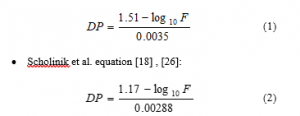
- Pahlavanpour equation [15] , [26]:
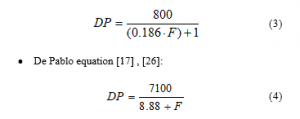
where: F represents 2-FAL concentration.
4. The architecture of ISDDP
The fuzzy logic-based approach for solving the control problems is highly recommended in very complex, nonlinear systems with uncertainties for internal or input parameters. The fuzzy logic is an approximate method by which vague knowledge, stored in a base of rules can be formally modeled. The practical implementation of the fuzzy systems is based on the advantages which allow the human experience to be transposed for the creation of the inference rules by using linguistic variables. The efficiency of the fuzzy systems or the artificial neural networks work is demonstrated by the widespread use in various fields in recent years [12], [26-30].
The fuzzy control provides a method of designing control algorithms in a user-friendly manner and provides the ability to capture human non-linear control behavior that has been shown to be suitable in many complex adjustment problems. A controller design method close to human thinking and perception reduces the time of application development and requires less trained staff in the field of regulator design. The advantage of the fuzzy tuning is the ability to program the knowledge of process operators and engineers, consisting in process operation experience, in a manner which is easy to understand and friendly. The fuzzy systems mainly have the advantage of explaining behaviors based on a set of rules and therefore their performance and development can be adjusted by modifying them [28], [30].
The neural networks are utilized to adapt the membership functions of the fuzzy systems in the applications of automatic control of the dynamic processes. Although the fuzzy logic allows the coding of expert knowledge through linguistic terms, usually it is a difficult endeavor to design and adjust the membership functions which quantitatively describe these terms. The learning techniques of the neural networks can automate the process and can therefore substantially reduce the cost and the time for the application development, leading to increased performance. To prevent the problem of knowledge acquiring, the neural networks can be designed to automatically extract the set of fuzzy rules from the disponible numerical data. Other approaches involve the use of neural networks to optimize a number of certain parameters of the fuzzy systems or to preprocess input data into the fuzzy systems [29], [30].
The general scheme for the proposed system for diagnosis of DP is shown in Figure 2. The system is achieved by using the facilities provided by LabVIEW and Matlab/Simulink graphic development environments for the implementation based on the fuzzy logic and neural networks.
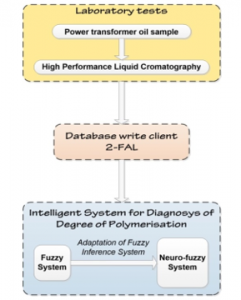
Figure 2: General scheme for the proposed system for diagnosis of DP
4.1. Fuzzy system for the determination of the DP
The system for the diagnostic of the DP of power transformers based on the fuzzy logic generates flexibility in interpreting the fault condition based on the 2-FAL data sets. The fuzzy logic diagnostic system is implemented in the Fuzzy System Designer, which is a software tool from LabVIEW graphical programming environment and basic model of the proposed fuzzy logic controller is shown in Figure 3. To overcome the difficulties in determining the boundary conditions for furan derivatives, the fuzzy logic technique is used, which allows the based rules to be implemented in a type of structure with natural language appropiate and widely used.
In the fuzzy logic, the domains correspond to the concepts of linguistic variables, so that such a variable corresponds to a domain of possible values. The input to the diagnostic system with fuzzy controller is the value of the 2-FAL derivative concentration, and the output is the result of DP value. For the 2-FAL input, the range of possible values (the set grading the membership) is between 0 and 20 and has as linguistic values the next form: {low; medium; high; very_high}. For the output, the DP is [0, 1200] and has as linguistic variables {healthy; mod_det; ext_det; end}, which represent: healthy, moderate degradation, extreme degradation, and end of life.
In order to achieve the best admissible response of the system, two types of fuzzy controllers are proposed to be used, and two types of membership functions are defined for these fuzzy controllers, namely the triangular and the trapezoidal membership functions, which correspond to the input and output of each of the two controllers. The result of the average of the two controllers of the system will be compared to the result of the fault values which is also implemented and calculated based on the classical methods presented in the equations (1) to (4).
The implementation of the two types of membership functions (triangular and trapezoidal) for the inputs and outputs of the two logic fuzzy type controllers is shown in Figure 4 and Figure 5 respectively.
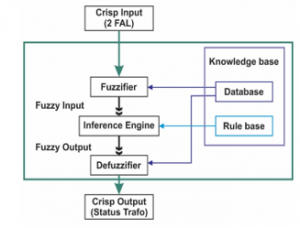
Figure 3: The proposed model of the fuzzy logic controller
Based on the 2-FAL ranges presented in Table 1, the implementation of the four triangular membership functions is carried out, and it is defined by the use of three parameters {a, b, c} covered by these ranges; the functions are described as follows:

or, by using min and max functions:

The trapezoidal membership function used for the second fuzzy controller is defined by using four parameters {a, b, c, d} for each of the ranges described in Table 1 and is expressed in the next form:

The defuzzification is required to transform the fuzzy output of the fuzzy controllers achieved based on the triangular and trapezoidal membership functions and averaged into a numerical representation (see Figure 5 and Figure 6). Theoretically, the fuzzy output is a fuzzy relation. The center of gravity method is the most applied practical defuzzification method and is used for the implementation of the two fuzzy controllers. The inference method used for the fuzzy logic implementation of the DP diagnostic system is the Mamadani method.

Figure 4: Input/output (2-FAL/DP) triangular membership function

Figure 5: Input/output (2-FAL/DP) trapezoidal membership function
The fuzzy reasoning is an inference procedure which provides conclusions according to a set of fuzzy “if-then” rules and a set of known data and is based on the ranges specified in Table 1. The method consists in determining the crisp value for the output (DP), taking into consideration, in a balanced manner, all the influences obtained from the rules activated by the particular state of the input (2-FAL) at a given time.
Figure 6 and Figure 7 show the testing of the diagnostic system by entering a 2-FAL value for the two types of fuzzy controllers. The rule that applies for this value of the input and the obtained result of the DP output can be noted.
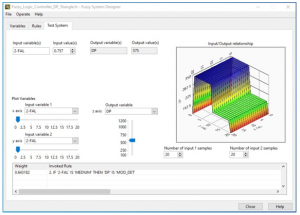
Figure 6: Surface viewer of DP result based on triangular fuzzy logic controller
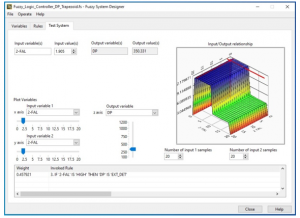
Figure 7: Surface viewer of DP result based on trapezoidal fuzzy logic controller
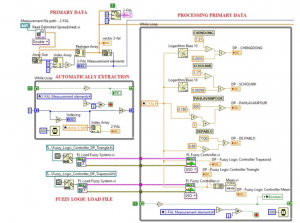
Figure 8: The software block diagram for stages of the application program
The software block diagram of the software application developed in LabVIEW for the main stages of the DP diagnostic software application is presented in Figure 8.
4.2. Neuro-fuzzy system for the determination of the DP
The neuro-fuzzy hybrid systems are a combination of neural networks and fuzzy logic where both techniques play a key role: the fuzzy logic provides the structure in which the learning capability of neural networks can be exploited [23], [27]. The ISDDP for power transformers is developed in the Matlab environment in the ANFIS toolbox, which is based on the adaptive neural network. The inference system used in ANFIS toolbox is of Sugeno type, also called fuzzy inference Takagi-Sugeno; it uses singleton output membership functions which for the presented application are linear functions of the input values [26, 27]. Unlike the fuzzy system described above, the proposed neuro-fuzzy diagnostic system has the capability to adapt during a learning process. Thus, by applying the hybrid optimization method, both the membership functions of the fuzzy sets which occur in the premise part of the rules and the parameters of the consequence parts of the fuzzy rules are matched, and the structure of the ANFIS model is presented in Figure 9. The dark circle (in black) on the left side represents the system input (2-FAL), and the one on the right side represents the system output (DP). The white circles on the left and right sides represents the membership functions, and the blue circles represents the rules developed by means of the logical operator “and”.

Figure 9: The model structure of the diagnostic system

Figure 10: Training data of the ANFIS diagnostic system
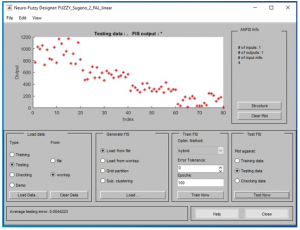
Figure 11: Testing data of the ANFIS diagnosis system
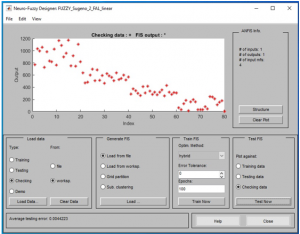
Figure 12: Checking data of the ANFIS diagnosis system
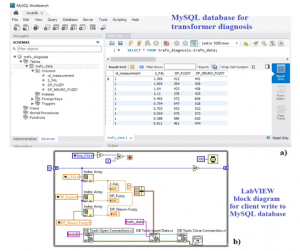
Figure 13: MySQL database connection: a) Table of results in MySQL database, b) block diagram of the client write software module into database
The data set for training, testing and checking comes from the application of classical Pahlavanpour and Chendong methods. The input/output data sets (2-FAL/DP) are entered in the ANFIS based diagnostic system, and they are trained (see Figure 10), verified (see Figure 11), and tested (see Figure 12) in 100 epochs, and the accuracy is given by the mean error obtained with a value of 0.00444223.
The data of the 2-FAL values resulting from the laboratory tests are recorded in the MySQL database by means of a client write software module into the database, and these are taken through the client write software module from the database to be provided to the ISDDP. In the Figure 13 a) is presented the MySQL database interface with the recorded 2-FAL table, and in Figure 13 b) is presented client write software module into the database.
5. Analysis and results
To demonstrate the efficiency of the proposed method and the manner in which data summarization is carried out, we present the analysis of the condition of the insulation of 10 transformers, based on 2-FAL concentration. The results obtained by using the proposed system in items 2 and 4 of Table 2 show a high DP of cellulose insulation, thus, the whole set of physical-chemical measurements of the oils of the two transformers was used. These analyses showed highly degraded wet oil, with temperature spots of >700ºC in the transformer in item 2, and high-energy arc discharges, in addition to the wet oil, generated in the transformer in item 4. These discharges may be the result of oil breakdown by arcing between the coils, between terminals and earth, or arcing in the on-load tap changer along the contacts during the switching accompanied by oil leakage in the main tank.
Table 2: Results obtained with different methods for determining the DP
| 2FAL | DP
Chendong |
DP Pahlavanpour | DP FUZZY | NEURO-FUZZY |
| 1.369 | 442 | 684 | 412 | 441 |
| 1.905 | 392 | 590 | 394 | 429 |
| 1.540 | 377 | 621 | 423 | 438 |
| 2.110 | 338 | 574 | 378 | 425 |
| 0.492 | 519 | 732 | 572 | 608 |
| 0.754 | 466 | 701 | 547 | 518 |
| 0.703 | 475 | 707 | 553 | 532 |
| 0.554 | 504 | 725 | 575 | 573 |
| 0.388 | 548 | 746 | 580 | 620 |
| 0.911 | 442 | 684 | 461 | 474 |
Taking into account these possible problems, the two transformers were un-tanked. In the case of the first transformer, the low-voltage terminals a, and b had loose nuts and showed signs of overheating (see Figure 14), and all connections to the on-load tap-changer selector switch were also loose.
Following the untaking of the second transformer, it was found that the insulation of the flexible connections of the on-load tap-changer selector switch is completely charred, as a result of overheating caused by the arcing during switching as is shown Figure 15.
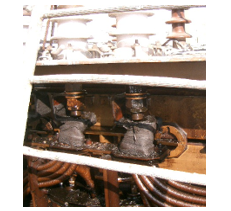
Figure 14: Low-voltage terminals a and b
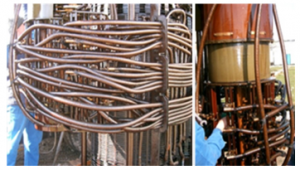
Figure 15: On-load tap-changer selector switch
The faults found and the condition of the insulation of the two transformers confirm the result of the analysis performed using the proposed system for diagnosing the degree of polymerization of solid insulation.
The faults in both transformers were remedied by replacing the damaged insulation; cleaning the terminals, nuts and flexible connection; achieving the tightening to the appropriate torque. The new cotton tape insulation was restored and all degraded insulation residue was removed from the pressboard supports. The on-load tap-changer selector switch was cleaned and the tightening of the connections on the plots of the selector switch was achieved.
The results obtained for the DP by means of the neuro-fuzzy system have a higher precision than the results obtained using mathematical equations and comply with the thresholds proposed by CIGRE according to the 2-FAL content.
The validation of the proposed system is performed by statistical means [31]. To verify the precision and the accuracy, the proposed system was applied to 80 data sets, establishing a precision of approximately 94% and an accuracy of 96% .
6. Conclusions
This article presents a method to determine the DP of solid insulation in transformers, which provides a faster and more accurate interpretation, as compared to the classical methods. The main stages in DP determination are presented, starting with the data provided by the laboratory, the use of classic methods of DP determination, ANFIS training based on a fuzzy controller, data exchange for storage and archiving in MySQL database, as well as the presentation of the validation of this system on a large number of samples, together with the comparison with the results provided by ISDDP with those obtained through un-tanked of transformer.
Thus, the automation of the DP diagnostic process will be achieved, with better results than those obtained by previous methods [26] of precision and accuracy, allowing the operator to make timely decisions, to avoid any possible damages. The main factors of comparison are the accuracy and precision. The values obtained for the improved ISDDP system are around the values presented in the current literature. In the future we propose the improvement of this system by using high-performance neural algorithms for all stages of training, testing and verification in order to improve the accuracy and precision of the system.
Acknowledgment
The paper was developed with funds from the Ministry of Education and Scientific Research – Romania as part of the NUCLEU Program: PN 19 38 01 03 and PN 19 38 02 01.
- M. Saad, E. teNyenhuis, “On-line gas monitoring for increased transformer protection,” in 2017 IEEE Electrical Power and Energy Conference (EPEC), Saskatoon, SK, Canada, 2017. doi: 10.1109/EPEC.2017.8286169
- G. S. Kuleshova, S. A. Yanchenko, “Online Identification of Transformer Internal Faults Based on the Parameters of the Operating Mode” in 2020 V International Conference on Information Technologies in Engineering Education (Inforino), Moscow, Russia, 2020. doi: 10.1109/Inforino48376.2020.9111735
- N. T. Waugh, D. D. Muir, “Improving the life cycle management of power transformers transforming data to life” in SoutheastCon 2015, Fort Lauderdale, FL, USA, 2015. doi: 10.1109/SECON.2015.7132977
- J. Haema, R. Phadungthin, “Development of condition evaluation for power transformer maintenance” in 4th International Conference on Power Engineering, Energy and Electrical Drives, Istanbul, Turkey, 2013. doi: 10.1109/PowerEng.2013.6635680
- M. Wang, A. J. Vandermaar, K. D. Srivastava, “Review of condition assessment of power transformers in service” IEEE Electrical Insulation Magazine, 18(6), 12–25, 2002. doi: 10.1109/MEI.2002.1161455
- Condition assessment of power transformers, in Cigré brochure 761, 1–163, March 2019
- Mineral insulating oils. Methods for the determination of 2-furfural and related compunds, in CEI/IEC 61198, 1–18, June 1994
- Ageing of cellulose in mineral-oil insulated transformers, in Cigré brochure 323, 1–87, Oct. 2007
- J. Scheirs, G. Camino, M. Avidano, W. Tumiatti, “Origin of furanic compounds in thermal degradation of cellulosic insulating paper” Journal of Applied Polymer Science, 69, 2541–2547, 1998
- C. Perrier, M. Coulibaly, M. Marugan, “Efficiency of ageing markers for different transformer insulation systems” in 2016 IEEE International Conference on Dielectrics (ICD), Montpellier, France, 2016. doi: 10.1109/ICD.2016.7547743
- T. V. Oommen, T. A. Prevost, “Cellulose insulation in oil-filled power transformers: part II maintaining insulation integrity and life” IEEE Electrical Insulation Magazine, 22(2), 5–14, 2006, doi: 10.1109/MEI.2006.1618996
- C. I. Nicola, M. Nicola, M. C. Nițu, A. M. Aciu, “Power Transformer Fault Diagnosis Using Fuzzy Logic Technique Based on Dissolved Gas Analysis and Furan Analysis” UPB Scientific Bulletin, Series C: Electrical Engineering and Computer Science, 81(3), 183–196, 2019
- S. Apte, R. Somalwar, A. Wajirabadkar, “Incipient Fault Diagnosis of Transformer by DGA Using Fuzzy Logic” in 2018 IEEE International Conference on Power Electronics, Drives and Energy Systems (PEDES), Chennai, India, 2018. doi: 10.1109/PEDES.2018.8707928
- N. Mahmoudi, M. H. Samimi, H. Mohseni, “Experiences with transformer diagnosis by DGA: case studies” IET Generation, Transmission & Distribution, 13(23), 5431–5439, 2019. doi: 10.1049/iet-gtd.2019.1056
- B. Pahlavanpour, G. Duffy, “Development of a rapid spectrophotometry method for analysis of furfuraldehyde in transformer oil as an indication of paper ageing” in Proceedings of IEEE Conference on Electrical Insulation and Dielectric Phenomena – (CEIDP ’93), Pocono Manor, PA, USA, 1993. doi: 10.1109/CEIDP.1993.378924
- X. Chendong, “Monitoring paper insulation ageing by measuring ageing by measuring furfural contents oil” in Seventh International Symposium on High Voltage Engineering, Dresden, Germany, 1991.
- M. Duval, A. de Pablo, “Interpretation of gas-in-oil analysis using new IEC publication 60599 and IEC TC 10 databases,” IEEE Electrical Insulation Magazine, 17(2), 31–41, 2001. doi: 10.1109/57.917529
- Guide for the interpretation of gases generated in oil-immersed transformers, in IEEE C57.104, 1–36, February 2009
- Guidance on the interpretation of dissolved and free gases analysis, in IEC 60599, pp. 1–15, September 2015
- A. B. Shkolnik, R. T. Rasor, “Statistical insights into furan interpretation using a large dielectric fluid testing database” in 2012 IEEE PES Transmission and Distribution Conference and Exposition (PES T&D), Orlando, FL, USA, 2012.
- M. Tamura, K. Ito, M. Honda, Y. Nakagawa, H. Sugimoto, K. Tomishig, “Direct Copolymerization of CO2 and Diols” Scientific Reports 6:24038, 1–9, 2016. doi: 10.1038/srep24038
- A. Abu-Siada, S. Hmood, S. Islam, “A new fuzzy logic approach for consistent interpretation of dissolved gas-in-oil analysis” IEEE Transactions on Dielectrics and Electrical Insulation, 20(6), 2343–2349, 2013. doi: 10.1109/TDEI.2013.6678888
- R. A. Prasojo, K. Diwyacitta, Suwarno, H. Gumilang, “Transformer Paper Expected Life Estimation Using ANFIS Based on Oil Characteristics and DissolvedGases (Case Study: Indonesian Transformers)” Energies, 10(8), 1–18, 2017. doi:10.3390/en10081135
- M. M. Nezami, S. A. Wani, S. A. Khan, N. Khera, M. A. Khan, “Fuzzy approach for residual life assessment of paper insulation” in 2017 3rd International Conference on Condition Assessment Techniques in Electrical Systems (CATCON), Rupnagar, India, 2017. doi: 10.1109/CATCON.2017.8280178
- D. Urquiza, B. Garcia, J. C. Burgos, “Statistical study on the reference values of furanic compounds in power transformers” IEEE Electrical Insulation Magazine, 31(4), 15–23, 2015. doi: 10.1109/MEI.2015.7126070
- M.C. Nițu, A. Aciu, C. Nicola, M. Nicola, “Fuzzy Controller vs. Classical Methods for Determining the Degree of Polymerization” in 2019 International Conference on Electromechanical and Energy Systems (SIELMEN), Craiova, Romania, 2019. doi: 10.1109/SIELMEN.2019.8905847
- R. A. Prasojo, E. F. Nasution, Suwarno, “Implementation of ANFIS and FIS-ID3 in Transformer Oil-Paper Assessment” in 2018 Conference on Power Engineering and Renewable Energy (ICPERE), Solo, Indonesia, 2018. doi: 10.1109/ICPERE.2018.8739422
- R. A. Prasojo, K. Diwyacitta, Suwarno, H. Gumilang, “Transformer paper condition assessment using Adaptive Neuro-Fuzzy Inference System model” in 2017 International Conference on Electrical Engineering and Computer Science (ICECOS), Palembang, Indonesia, 2017, doi: 10.1109/ICECOS.2017.8167141
- S. Forouhari, A. Abu-Siada, “Application of adaptive neuro fuzzy inference system to support power transformer life estimation and asset management decision” IEEE Transactions on Dielectrics and Electrical Insulation, 25(3), 845–852, 2018, doi: 10.1109/TDEI.2018.006392
- J. Travis, J. Kring, LabVIEW for Everyone: Graphical Programming Made Easy and Fun 3rd Edition, Prentice Hall, 1996.
- J. P. Marques de Sá, Applied Statistics Using SPSS, STATISTICA, MATLAB and R, Springer, Berlin, Heidelberg, 2007.