
Technical and Economic Merits Resulting from Power Systems Interconnection

Volume 4, Issue 2, Page No 34–39, 2019
Adv. Sci. Technol. Eng. Syst. J. 4(2), 34–39 (2019);
DOI: 10.25046/aj040205
Keywords: Load, Reliability, Energy, Cost, Interconnection, Planning
In this paper, the impact of interconnection among isolated and dispersed electric power systems have been Investigated and analyzed. Therefore, the methodology proposed in this work is implemented in three real electric power systems in the western part of Saudi Arabia (designated as I, II and III). The outcome of this study revealed positive benefits resulting from power systems interconnection for reliability enhancement as well as cost saving.
1. Introduction
This paper is an extension of work originally presented in the “2017 9th IEEE-GCC Conference [1].
Power systems interconnection is an effective way of raising reliability levels and in the meantime lowering their static and spinning reserves. The diversity between various systems in their peak demand and load variations encourage these systems to be integrated and interconnected via one unified grid. Reliability evaluation techniques can be used to determine the optimal system reliability risk level. The systems interconnection provides mutual assistance among interconnected system as well as reducing their reserve capacity periodic additions. Also, systems interconnection will elevate the degree of coordination and cooperation by establishing efficient and more and more efficient and larger electric power facilities. This necessitates the advent and implementations of various modeling techniques and reliability methodologies [2-7]. The Loss of Load Expectation (LOLE) is considered to be the most widely adopted and utilized reliability measure by the electric utilities and system planners [3]. This index specifies the average length of time that unit(s) is being out of service causing power outages for a specified period of time. There is another complementary index known as the Expected Energy not Served (ϵENS) which evaluates the size of energy that is curtailed due to unexpected severe power outages occurrence) [8].
2. Review of Some Existing works on Power Systems Interconnection
For the purpose of exploring other methodologies, practices and experiences adopted in the process of power system interconnection, the following existing research works are overviewed and discussed. In [9], the environmental benefits have been assessed and evaluated based on power system interconnection point of view. The author showed analytical findings of reductions environmental reductions carbon and in taxes, which can be obtained should power system interconnection achieved. In [10], the need for systems interconnection in developing countries has been highly emphasized through national grids and as a prerequisite with integrating with other neighboring countries. In [11,12] the authors discussed the interconnection among the Arab Gulf states and the potential benefits that accrue as a result of this historic milestone. In [13], the author proposed a probabilistic model to evaluate capacity assistant transfer between the interconnected systems to be ready against any unexpected deficit or emergency state. This model has been applied and substantiated on the IEEE Reliability Test System and gave promising results. In [14], the author demonstrated safety measures due to mutual system interconnection that can be abided by and utilized in power system reliability evaluation and utilization in cost/reliability benefit tradeoffs for long-range systems expansion plans and costs assessments process.
From the preceding review of the existing research works devoted and focused on systems interconnection, it is shown that the most widely adopted and applied is the reliability modeling and evaluation that ought to be considered at every stage of electric system installation, commissioning, operation, and interconnection nationally or internationally.
3. Interconnected Power Systems
Electric power systems can be interconnected in several configuration methods, as shown in Figure (1). These configurations are subject to systems site, size of power, peak loads occurrence, fuel proximity and level of mutual influence and impact. Figure (1) shows different ways of system interconnection arrangements.
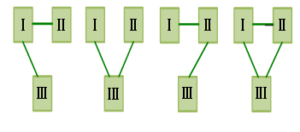
Figure 1: Configuration arrangements of interconnected systems
4. Reliability Evaluation of Interconnected Systems
In case of interconnected power systems, let us consider two integrated power electric systems, say, system (I) and system (II) where each one is maintaining its rated power capacity and demands, and along with the three postulates mentioned below:
- systems are ready to share their available spinning reserve to back up the other system if a tie-line exists.
- systems can assist each other’s only if there are an adequate reserve and a connecting tie-line.
- the connecting tie-line has a capability to transfer the capacity assistance .
Figure (2) interprets the above three assumptions, as the deviation between: (i) with no tie-line and (ii) with tie-line is the capacity assistance that is provided to system (I) by system (II) through the tie-line interconnection. This capacity assistance ( ) substitutes the capacity shortfall in system (I) and enables it to cover its standing demands adequately rather being independent and isolated.
5. Adopted Criterion for the Case Under Study
In this case study, a criterion based on a simulation process has been established that can simulate the adopted criterion and its techniques applied for this case under study. Figure 3 and the subsequent steps explain the conceptual operations of the adopted computational Algorithm.
5.1. Systems are dispersed and independent:
- Prepare the data pertinent to the studied systems (ss).
- Use the ( ) for for all units residing in the system to establish the for the system.
- Combine the with the load duration curve for process.
Evaluate the ) risk level for each separate system and compare it with the prescribed reliability level ( ).
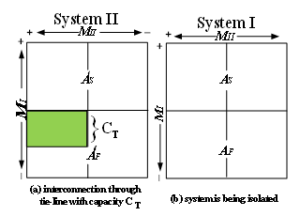
Figure 2: Capability of system B to assist system A
- Prepare the data related to systems considered for the study.
- Build the ( ) for the interconnected systems.
- Repeat the preceding steps (c-g) mentioned in 4.1. The capacity assistance ( is the available reserve that can be transmitted through the connecting line to the system being in deficit and viable to be assisted. For reliability evaluation, the system being assisted can then proceed as an isolated system for risk level evaluation.
6. Developed Approach to an Existing Systems
In order to substantiate the proposed preceding techniques, an existing real case study has been considered. This case represents three electric power systems in three large cities in a fast-developing country. These systems supply these cities and each system is designated as I, II and III respectively. These cities are facing tremendous future load increase as a result of population growth and industrial project expansion in realization to the Kingdom 2030 vision.
For the purpose of this study, a generation expansion planning spanning over the coming five-year period (2018-2023) to determine the appropriate timely capacity reinforcement schedule capacity-addition and evaluating the reliability level for each power system before and after the proposed interconnection commission. The target is to investigate and realize the resulting economic and technical benefits that may accrue due to electric power systems integration.
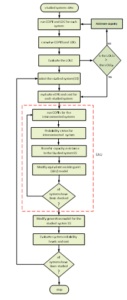
Figure 3: Simulation methodology applied in the proposed case study
6.1. Systems interconnection technical merits
This part tries to analyze and evaluate the risk levels for each electric power system separately for future specified period assuming that there are no capacity additions to the systems. With lack of capacity addition, the reliability level will deteriorate due to reserve reduction and capacity shortage. At each year the reliability level exceeds the prescribed limit either a new generating unit must be added or an interconnection with another adjacent power system may be a favorite solution. The results shown in Figure (4), display the outcome of the study pertinent to systems (I) and (II) as investigating their reliability risk levels while they are being isolated during the upcoming five years applying the LOLE reliability index. From the figure, it is obvious that if the prescribed level of the LOLE is set at 0.10 d/y, both systems will surpass the specified reliability prescribed limit. Hence, an additional capacity should be added to the existing capacity of each individual system to upgrade their reliability against any service deficit due to unexpected service interruptions and consequent power deficit and shortage. After envisioning of mutual interconnection among power systems, the process was performed again to the same systems. The outcome is displayed in Figure (4), and it is evident from the figure that risk limits for both systems have been enhanced when systems are being interconnected. Consequently, system (I) requires no unit(s) addition up to 2021, while system (II), it will go over its risk levels at 2022.
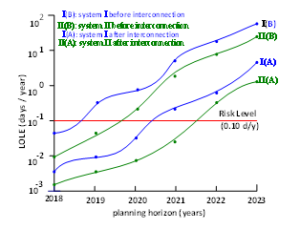
Figure 4: Systems LOLE before and after interconnection
To ascertain and exhibit the benefits accruing due to systems integration in improving and upgrading their reliability levels, the impact of interconnection for another essential complementary risk index (ϵENS) mentioned previously, has been evaluated. Systems (I) and (II) have been selected for this analysis and demonstration as being the largest among the three systems. The outcome is exhibited by Figure (5) where it indicates the size and amount of energy not supplied (ϵENS) that has been reduced after systems being interconnected.
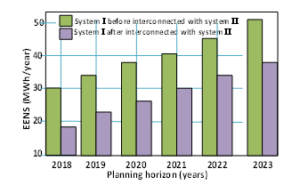
Figure 5: ϵENS before and after interconnection
6.2. Systems Interconnection economic merits
This analysis focusses on searching and exploring the possible economic merits that may accrue due to systems interconnection. The study covers the same period of study (2018-2023). The prescribed risk index ( has been fixed at 0.1 d/y for the three systems and considered to be steady over that planning horizon. The reliability level at the beginning year (i.e. ) due to load demand increment. To maintain the reliability level at the prescribed limit specified previously by the utility executive management, unit(s) additions either should be added (in case of isolated system) or ought to be integrated with neighboring electric power systems. For assessing and estimating the unit(s) added cost for this process, the methodology demonstrated in Section 4 was applied. Figure (6) displays the analysis outcome of this study where it is evident that all systems will gain from the interconnection process where there will be substantial savings in fixed cost and variable costs. This can be observed as 55%, 51%, and 62% for systems I, II and III respectively. Moreover, the reliability level for each system will improve and attain better reliability levels as demonstrated in earlier sections.
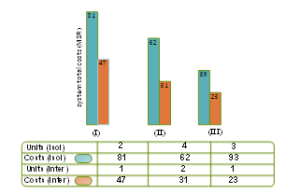
Figure 6: Cost for isolated and interconnected systems
7. Searching for Optimal levels in Reliability evaluation
Searching for optimal levels in system planning process is a major endeavor and concern for all utilities, planners, engineers and economists to guarantee adequate and reliable supply at reasonable and acceptable tariff. Hence, extensive and rigorous factors investigations and analysis based on econometric indicators and variables related to units installation, transmission networks and operations should be conducted and explored. Therefore, the reliability indices, namely, the (LOLE) and the(ϵENS) have been applied to system (I) utilizing the concepts shown in the Appendices and the simulation process shown in Figure (3) above.
In order to obtain the optimal range of reliability levels, the system investment cost should be convolved with the anticipated outages losses [7]. The costs of system represent the expenditure for unit installation cost, and fuel and maintenance cost. Outages costs represent the losses cost borne by the consumers as a results of energy cease. The total system cost portrays the overall cost sustained by the consumers as a worth of uninterrupted energy flow. The outcome of the process yields the results shown by Figure 7 as system cost (SC) tends to increase as level of reliability level increases. In the meantime, the outage cost (OC) starts to decrease as system reliability improves with generating units’ additions. The optimality of reliability levels varies between 0.16 and 0.27 days/year (see Fig. 7). However, adding new capacity in some cases may not imply the perfect resolution to encounter ever increasing load growth and preserve desirable levels of reliability. Hence, it may be better to improve unit’s efficiency and performance by regular scheduled maintenance. Likewise, establishing a consistent co-ordination and co-operation between the demand-side and the supply-side may further improve energy consumption and reduce financial obligations.
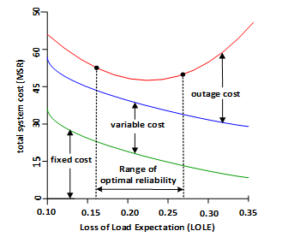
Figure 7: reliability levels Variation vs. variation of system cost
8. Conclusion
In this work, the merits of interconnection among isolated and dispersed electric power systems have been explored, analyzed and assessed using recent developed reliability criteria. The methodology proposed in this work was conducted for realistic electric power systems serving major cities in a fast-developing country. The outcome of this work revealed positive benefits that can be attained as a result of power systems interconnection. These benefits and merits can be interpreted in systems reliability improvement and cost saving.
Appendix A – Power System Costs
The general aspects of power system costs can be documented as follows:
- Fixed Cost (FC): costs associated with establishing the power plant (site, generating units, transformers, protection and control facilities, auxiliaries, etc.):
- Variable Cost (VC): cost related to the cost of operation and maintenance (fuel, scheduled maintenance, interim spare parts):
- Outages Cost (OC): cost that incurred by the consumers as a result of power interruptions and energy curtailment (this type of costs is not transferable and ought to be assessed and evaluated through public investigations and questionnaires):
Hence, the above costs constitute the total system cost (TC), and can be expressed as:
Appendix B- Some Pertinent Reliability Index
Loss of Load Expectation (LOLE)
The LOLE risk index is the most widely accepted and used probabilistic method in power system reliability evaluation of generation expansion planning. It is defined as: “the expected number of days in the specified
period in which the load levels will exceed the available system capacity”. To evaluate this risk index, two models are required and employed. One is the Load Duration Curve (LDC) which the load levels are arranged in a descending order of magnitude, and the other one is the Capacity Outage Probability Table (COPT) which contains all capacity states of the generating units with their associated probabilities. These two models are convolved (combined) in the process. The unit of the LOLE is in days per year (d/y). The LOLE evaluation method is expressed in the following mathematical formula:
It is clear from the above load characteristics that those capacity outages less than the reserve will not cause a loss of load yielding a “Demand not Supplied” to the consumers. Consider now:
the ith outage(s) state in the COPT
number of times unit(s) is unavailable
the probability of this ith unavailable
Expected Energy Not Supplied ( ENS)
Since the un-supplied energy caused by power outages reflects great damages and heavy losses to the entire consumers’ classes, so, another essential and most needed reliability index known as the ENS can be deduced as follows:
Appendix C- Energy Production Methodology
The Expected Energy Supplied (ϵES) by each unit available and being operated in the system can be evaluated by using the above concept of the Expected Energy Not Supplied (ϵENS) as shown below:
MWh/year
This method adopts a priority loading order, i.e. the generating units are loaded according to their least operation cost. Hence, operating, first, the most efficient and economical operating units (called the base units), followed by the more cost operating units (called the intermediate units), then the costliest operating units (called the peaker units), and so on. This means that the least cost operating units occupy the lower levels in the LDC, and the expensive operating units occupy the upper levels in the LDC respectively.
The above equation can be explained in the following process:
- The LDC (Load Duration Curve) is implemented, as it is the type of curve that is widely used in power system reliability evaluation and planning for its convenience and flexibility. It is derived from the ordinary load curve and hence can be defined as “the arrangement of all load levels in a descending order of magnitude.
- The expected energy not supplied before any unit is operated = the total area under the LDC.
- When the first unit (C1) is loaded according to the priority loading level # 1, it will occupy the green area (0 – C1) and shifts the new expected energy not supplied upward (i.e. above C1. Therefore, the expected energy supplied by unit C1 will: be = – .
- When the second unit (C2) is loaded according to the priority loading level # 2, it will occupy the area (C1 – C2) and then shift the new expected energy not supplied upward above C2. Therefore, the expected energy supplied by unit C2 will be = – .
- When the third unit (C3) is operated according to the priority loading level # 3, it will occupy the area (C2 – C3) and then shift expected energy not supplied above C3, and then the process ends and the remaining expected energy not supplied will be above C3. As such, the expected energy supplied by unit C3 .
- A. M. Al-Shaalan, “Management of Power Systems Interconnection to Realize Technical and Economical Potentials”, 2017 9th IEEE-GCC Conference and Exhibition (GCCCE), Gulf Hotel, Manama, Bahrain, 8 -11 May 2017.
- R. Billinton, R. N. Allan, “Reliability Evaluation of Power Systems”, (Book), Second Edition, Plenum Press, London, 1985.
- R. Billinton, “Reliability Assessment of Bulk Electric Systems,” Power System Research Group, University of Saskatchewan, Canada, Publications No. 148, 2007, p. 75.
- J. Endrenyi, “Reliability Modelling in Electric Power Systems”, Wiley International Publication, 1978.
- L. Leonard, L. Grigsby, “Power Systems”, Power System Planning (Reliability Part 3), 2009 by Taylor and Francis Group, LLC.
- IEEE Bronze Book on Recommended Practice for Energy Conservation and Cost-Effective Planning in Industrial Facilities. New York: IEEE, 1993.
- A. M. Al-Shaalan, “Reliability/Cost Tradeoff Evaluation for Interconnected Electric Power Systems”, International Journal of Computing and Digital Systems, ISSN (2210-142X), Int. J. Com. Dig. Sys. 6, No.6, pp. 371-374, Nov-2017.
- A. M. Al-Shaalan, “Reliability evaluation in generation expansion planning based on the expected energy not supplied”, Journal of King Saud, Engineering Science, Vol. 24, No. 1, January 2012, pp. 11 – 18.
- Y. K. Jaeyoung, “Environmental impacts and benefits of regional power system interconnections for the Republic of Korea”, IEEE Conference, Power Engineering Society General Meeting, Changwon, South Korea, 6-10 June 2004, pp. 427 – 433.
- A. M. Al-Shaalan, “Essential aspects of power system planning in developing countries”, Journal of King Saud, Engineering Science, Vol. 23, No. 1, January 2011, pp. 28 – 32.
- E. S. Ibrahim, “Interconnection of electric power systems in the Arab world”, IEEE Power Engineering Journal, Volume: 10, Issue: 3, 1996, pp. 121 -127.
- O. A. Al-Zeer, “Assessment of Economic and Technical Advantages of the Tie-Line Interconnection Among the GCC States Networks, MSc. Thesis, College of Engineering, King Saud University 2009.
- G. Hamoud, “Probabilistic assessment of interconnection assistance between power systems”, IEEE Transactions on Power Systems, Volume: 13, Issue: 2, pp. 535 – 542, 1998.
- Mo-Shing Chen. “Security issues of power system interconnection”, IEEE Power Engineering Society, General Meeting on System Improvement and Saving, June 12-16, 2005, pp. 1797 – 1800.
- Robinson Lawrance, Nishith Kumar Reddy Gorla, "System-Level Test Case Design for Field Reliability Alignment in Complex Products", Advances in Science, Technology and Engineering Systems Journal, vol. 10, no. 6, pp. 55–64, 2025. doi: 10.25046/aj100605
- Faraz Farhidi, Yahia Baghzouz, Maxim Rusakov, "Cooperative Game Theory for Grid Service Pricing: A Utility-Centric Approach", Advances in Science, Technology and Engineering Systems Journal, vol. 10, no. 3, pp. 21–28, 2025. doi: 10.25046/aj100304
- Wai Yie Leong, Yuan Zhi Leong, Wai San Leong, "Energy Management Policy and Strategies in ASEAN", Advances in Science, Technology and Engineering Systems Journal, vol. 9, no. 4, pp. 102–109, 2024. doi: 10.25046/aj090411
- WaiYie Leong, LeeSun Heng, YuanZhi Leong, "Malaysia’s Renewable Energy Policy and its Impact on ASEAN Countries", Advances in Science, Technology and Engineering Systems Journal, vol. 9, no. 2, pp. 67–73, 2024. doi: 10.25046/aj090208
- Rafi Zahedi, Amirhossein Ahmadian, Chen Zhang, Shashank Narayana Gowda, Kourosh SedghiSigarchi, Rajit Gadh, "Optimal Engagement of Residential Battery Storage to Alleviate Grid Upgrades Caused by EVs and Solar Systems", Advances in Science, Technology and Engineering Systems Journal, vol. 9, no. 2, pp. 01–08, 2022. doi: 10.25046/aj090201
- Pegah Yazdkhasti, Julian Luciano Cárdenas–Barrera, Chris Diduch, "Smart Agent-Based Direct Load Control of Air Conditioner Populations in Demand Side Management", Advances in Science, Technology and Engineering Systems Journal, vol. 9, no. 1, pp. 114–123, 2024. doi: 10.25046/aj090111
- Ahmed Slimani, Benyoucef Merah, Mohammed Nasser Tandjaoui, Chellali Benachaiba, "The Effect of Introduction of Wind Energy System on the Energy Networks", Advances in Science, Technology and Engineering Systems Journal, vol. 8, no. 5, pp. 28–34, 2023. doi: 10.25046/aj080504
- Saidi Mohamed, Habib Cherif, Othman Hasnaoui, Jamel Belhadj, "Design and Comparative Analysis of Hybrid Energy Systems for Grid-Connected and Standalone Applications in Tunisia: Case Study of Audiovisual Chain", Advances in Science, Technology and Engineering Systems Journal, vol. 8, no. 3, pp. 144–153, 2023. doi: 10.25046/aj080316
- Marcos Felipe, Haiping Xu, "HistoChain: Improving Consortium Blockchain Scalability using Historical Blockchains", Advances in Science, Technology and Engineering Systems Journal, vol. 8, no. 3, pp. 89–99, 2023. doi: 10.25046/aj080311
- Der-Jiun Pang, "Hybrid Machine Learning Model Performance in IT Project Cost and Duration Prediction", Advances in Science, Technology and Engineering Systems Journal, vol. 8, no. 2, pp. 108–115, 2023. doi: 10.25046/aj080212
- Ayed Banibaqash, Ziad Hunaiti, Maysam Abbod, "Challenges Facing Solar Panel Energy Deployment within Qatari Homes and Businesses", Advances in Science, Technology and Engineering Systems Journal, vol. 8, no. 2, pp. 38–43, 2023. doi: 10.25046/aj080205
- Jittaboon Trichada, Traithep Wimonrut, Narongsak Tirasuntarakul, Eakkachai Pengwang, "Design of an Open Source Anthropomorphic Robotic Hand for Telepresence Robot", Advances in Science, Technology and Engineering Systems Journal, vol. 8, no. 1, pp. 17–29, 2023. doi: 10.25046/aj080103
- Amine Bouaouda, Karim Afdel, Rachida Abounacer, "Meta-heuristic and Heuristic Algorithms for Forecasting Workload Placement and Energy Consumption in Cloud Data Centers", Advances in Science, Technology and Engineering Systems Journal, vol. 8, no. 1, pp. 01–11, 2023. doi: 10.25046/aj080101
- Jabrane Slimani, Abdeslam Kadrani, Imad EL Harraki, El hadj Ezzahid, "Long-term Bottom-up Modeling of Renewable Energy Development in Morocco", Advances in Science, Technology and Engineering Systems Journal, vol. 7, no. 5, pp. 129–145, 2022. doi: 10.25046/aj070515
- Muhammad Musleh Uddin, Kazi Rafiqul Islam, Md. Monirul Kabir, "An Improved Model to Analyze the Impact of Cyber-Attacks on Power Systems", Advances in Science, Technology and Engineering Systems Journal, vol. 7, no. 5, pp. 27–34, 2022. doi: 10.25046/aj070504
- Lukanyo Mbali, Oliver Dzobo, "Design of an Off-Grid Hybrid Energy System for Electrification of a Remote Region: a Case Study of Upper Blink Water Community, South Africa", Advances in Science, Technology and Engineering Systems Journal, vol. 7, no. 5, pp. 17–26, 2022. doi: 10.25046/aj070503
- Kelebaone Tsamaase, Japhet Sakala, Kagiso Motshidisi, Edward Rakgati, Ishmael Zibani, Edwin Matlotse, "Performance Adjustment Factor for Fixed Solar PV Module", Advances in Science, Technology and Engineering Systems Journal, vol. 7, no. 4, pp. 98–104, 2022. doi: 10.25046/aj070413
- Basharat Jamil, Lucía Serrano-Luján, José Manuel Colmenar, "On the Prediction of One-Year Ahead Energy Demand in Turkey using Metaheuristic Algorithms", Advances in Science, Technology and Engineering Systems Journal, vol. 7, no. 4, pp. 79–91, 2022. doi: 10.25046/aj070411
- Sethakarn Prongnuch, Suchada Sitjongsataporn, Patinya Sang-Aroon, "Low-cost Smart Basket Based on ARM System on Chip Architecture: Design and Implementation", Advances in Science, Technology and Engineering Systems Journal, vol. 7, no. 4, pp. 15–23, 2022. doi: 10.25046/aj070403
- Afsah Sharmin, Farhat Anwar, S M A Motakabber, Aisha Hassan Abdalla Hashim, "A Secure Trust Aware ACO-Based WSN Routing Protocol for IoT", Advances in Science, Technology and Engineering Systems Journal, vol. 7, no. 3, pp. 95–105, 2022. doi: 10.25046/aj070311
- Valentyn Tsapenko, Mykola Tereschenko, Vadim Shevchenko, Ruslan Ivanenko, "Methodology for Calculating Shock Loads on the Human Foot", Advances in Science, Technology and Engineering Systems Journal, vol. 6, no. 2, pp. 58–64, 2021. doi: 10.25046/aj060208
- Clement Matasane, Mohamed Tariq Kahn, "Solar Energy Assessment, Estimation, and Modelling using Climate Data and Local Environmental Conditions", Advances in Science, Technology and Engineering Systems Journal, vol. 7, no. 2, pp. 103–111, 2022. doi: 10.25046/aj070209
- Sarah Ansari, Kamran Iqbal, "Stability Analysis of a DC Microgrid with Constant Power Load", Advances in Science, Technology and Engineering Systems Journal, vol. 7, no. 2, pp. 63–72, 2022. doi: 10.25046/aj070206
- Clémentine Gritti, Hao Li, "Efficient Publicly Verifiable Proofs of Data Replication and Retrievability Applicable for Cloud Storage", Advances in Science, Technology and Engineering Systems Journal, vol. 7, no. 1, pp. 107–124, 2022. doi: 10.25046/aj070111
- Othmani Mohammed, Lamchich My Tahar, Lachguar Nora, "Power Management and Control of a Grid-Connected PV/Battery Hybrid Renewable Energy System", Advances in Science, Technology and Engineering Systems Journal, vol. 7, no. 2, pp. 32–52, 2022. doi: 10.25046/aj070204
- Mahdi Musa, Audu Mabu, Falmata Modu, Adam Adam, Farouq Aliyu, "Automated Hydroponic System using Wireless Sensor Networks", Advances in Science, Technology and Engineering Systems Journal, vol. 7, no. 2, pp. 1–17, 2022. doi: 10.25046/aj070201
- MK Ngwenyama, PF Le Roux, LJ Ngoma, "A Novel Algorithm Design for Locating Fault Distances on HV Transmission Lines", Advances in Science, Technology and Engineering Systems Journal, vol. 7, no. 1, pp. 79–89, 2022. doi: 10.25046/aj070108
- Nganyang Paul Bayendang, Mohamed Tariq Khan, Vipin Balyan, "Thermoelectric Generators (TEGs) and Thermoelectric Coolers (TECs) Modeling and Optimal Operation Points Investigation", Advances in Science, Technology and Engineering Systems Journal, vol. 7, no. 1, pp. 60–78, 2022. doi: 10.25046/aj070107
- Bonginkosi Allen Thango, Jacobus Andries Jordaan, Agha Francis Nnachi, "Service Lifetime Loss Evaluation Method for Transformers Exclusively Serving Solar Power Plants", Advances in Science, Technology and Engineering Systems Journal, vol. 6, no. 6, pp. 22–28, 2021. doi: 10.25046/aj060604
- Arakelyan Edik, Kosoy Anatoliy, Andryushin Alexander, Mezin Sergey, Yagupova Yulia, Leonov Maxim, Pashchenko Fedor, "Problems of Increasing the Intelligence of Algorithms for Optimal Distribution of the Current Load on the Combined Heat and Power Plant and Ways to Solve Them", Advances in Science, Technology and Engineering Systems Journal, vol. 6, no. 5, pp. 369–374, 2021. doi: 10.25046/aj060542
- Dilyana Gospodinova, Peter Dineff, "Impact Assessment of the Renewable Energy Sources Implementation in Bulgarian Single-Family Houses on the Greenhouse Gas by HOMER Pro Software", Advances in Science, Technology and Engineering Systems Journal, vol. 6, no. 5, pp. 362–368, 2021. doi: 10.25046/aj060541
- Filippos Dimitrios Mexis, Aikaterini Papapostolou, Charikleia Karakosta, Elissaios Sarmas, Diamantis Koutsandreas, Haris Doukas, "Leveraging Energy Efficiency Investments: An Innovative Web-based Benchmarking Tool", Advances in Science, Technology and Engineering Systems Journal, vol. 6, no. 5, pp. 237–248, 2021. doi: 10.25046/aj060526
- Ghada Shedid, Osama Tolba, Sherif Ezzeldin, "Design Optimization and Life Cycle Cost Assessment of GRC Shading Screens for Office Buildings in Cairo", Advances in Science, Technology and Engineering Systems Journal, vol. 6, no. 5, pp. 222–228, 2021. doi: 10.25046/aj060524
- Maroua Barha, Soumaia Hmimou, Mounir Ait Kerroum, Hamid Ait Lemqeddem, "The Internal Reliability of a Questionnaire on the Impact of Enterprise Resource Planning on the Performance of Moroccan Companies", Advances in Science, Technology and Engineering Systems Journal, vol. 6, no. 5, pp. 59–64, 2021. doi: 10.25046/aj060508
- Rafael Souza Cotrim, João Manuel Leitão Pires Caldeira, Vasco Nuno da Gama de Jesus Soares, Pedro Miguel de Figueiredo Dinis Oliveira Gaspar, "Power Saving MAC Protocols in Wireless Sensor Networks: A Performance Assessment Analysis", Advances in Science, Technology and Engineering Systems Journal, vol. 6, no. 4, pp. 341–347, 2021. doi: 10.25046/aj060438
- Kumar Rahul Tiwari, Indar Singhal, Alok Mittal, "Real Time RSSI Compensation for Precise Distance Calculation using Sensor Fusion for Smart Wearables", Advances in Science, Technology and Engineering Systems Journal, vol. 6, no. 4, pp. 327–333, 2021. doi: 10.25046/aj060436
- Mostafa Ahmed Mahdi, Ahmed Hassan Ghallab, El-Saaid Ibrahim Zaki, Ahmed Sayed Elmannaey, "Effect of Nano Clay and Marble Powder Waste as a Hybrid Addition on the Behavior of Normal and High Strength RC Columns Subjected to Axial Compressive Loading", Advances in Science, Technology and Engineering Systems Journal, vol. 6, no. 3, pp. 367–384, 2021. doi: 10.25046/aj060343
- Yanshuo Wang, Jim (Jinming) Yang, Ngandu M. Mbiye, "Effectiveness and Suitability of the Automotive EHPS Software Reliability and Testing", Advances in Science, Technology and Engineering Systems Journal, vol. 6, no. 3, pp. 205–212, 2021. doi: 10.25046/aj060323
- Mohammad AL-Tahat, Issam Jalham, Abbas Al-Refaie, Mohammed Fawzi Alhaj Yousef, "Activity-Based Cost Estimation Model for The Extrusion of Variant Aluminum Profiles", Advances in Science, Technology and Engineering Systems Journal, vol. 6, no. 3, pp. 172–181, 2021. doi: 10.25046/aj060320
- Julies David Bryan, Tranos Zuva, "A Review on TAM and TOE Framework Progression and How These Models Integrate", Advances in Science, Technology and Engineering Systems Journal, vol. 6, no. 3, pp. 137–145, 2021. doi: 10.25046/aj060316
- Bonginkosi Allen Thango, Jacobus Andries Jordaan, Agha Francis Nnachi, "A Novel Approach for Estimating the Service Lifetime of Transformers within Distributed Solar Photovoltaic (DSPV) Systems", Advances in Science, Technology and Engineering Systems Journal, vol. 6, no. 3, pp. 126–130, 2021. doi: 10.25046/aj060314
- Dimas Sirin Madefanny, Suharjito, "Integration Information Systems Design of Material Planning in the Manufacturing Industry using Service Oriented Architecture", Advances in Science, Technology and Engineering Systems Journal, vol. 6, no. 3, pp. 100–106, 2021. doi: 10.25046/aj060311
- Nganyang Paul Bayendang, Mohamed Tariq Kahn, Vipin Balyan, "Power Converters and EMS for Fuel Cells CCHP Applications: A Structural and Extended Review", Advances in Science, Technology and Engineering Systems Journal, vol. 6, no. 3, pp. 54–83, 2021. doi: 10.25046/aj060308
- Chibuzo Victor Ikwuagwu, Ikechukwu Emmanuel Okoh, Stephen Aroh Ajah, Cosmas Uchenna Ogbuka, Godwin Ogechi Unachukwu, Emenike Chinedozi Ejiogu, "Development of Electric Power Availability Recorder for Accurate Energy Billing of Unmetered Facilities", Advances in Science, Technology and Engineering Systems Journal, vol. 6, no. 3, pp. 7–14, 2021. doi: 10.25046/aj060302
- Nuraiza Ismail, Ermeey Abd Kadir, "A Rectification Circuit with Co-Planar Waveguide Antenna for 2.45 GHz Energy Harvesting System", Advances in Science, Technology and Engineering Systems Journal, vol. 6, no. 2, pp. 984–989, 2021. doi: 10.25046/aj0602113
- Kakoma Chilala Bowa, Mabvuto Mwanza, Mbuyu Sumbwanyambe, Kolay Ulgen, Jan-Harm Pretorius, "Assessment of Electricity Industries in SADC Region Energy Diversification and Sustainability", Advances in Science, Technology and Engineering Systems Journal, vol. 6, no. 2, pp. 894–906, 2021. doi: 10.25046/aj0602102
- Ahmad AA Alkhatib, Abeer Alsabbagh, Randa Maraqa, Shadi Alzubi, "Load Balancing Techniques in Cloud Computing: Extensive Review", Advances in Science, Technology and Engineering Systems Journal, vol. 6, no. 2, pp. 860–870, 2021. doi: 10.25046/aj060299
- Oumaima Taki, Kaoutar Senhaji Rhazi, Youssef Mejdoub, "A Study of Stirling Engine Efficiency Combined with Solar Energy", Advances in Science, Technology and Engineering Systems Journal, vol. 6, no. 2, pp. 837–845, 2021. doi: 10.25046/aj060297
- Kittipong Nuanyai, Soamsiri Chantaraskul, "Actual Traffic Based Load-Aware Dynamic Point Selection for LTE-Advanced System", Advances in Science, Technology and Engineering Systems Journal, vol. 6, no. 2, pp. 776–783, 2021. doi: 10.25046/aj060289
- Dancan Otieno Onyango, Christopher Ogolo Ikporukpo, John Olalekan Taiwo, Stephen Balaka Opiyo, Kevin Okoth Otieno, "Comparative Analysis of Land Use/Land Cover Change and Watershed Urbanization in the Lakeside Counties of the Kenyan Lake Victoria Basin Using Remote Sensing and GIS Techniques", Advances in Science, Technology and Engineering Systems Journal, vol. 6, no. 2, pp. 671–688, 2021. doi: 10.25046/aj060278
- Bonginkosi Allen Thango, Jacobus Andries Jordaan, Agha Francis Nnachi, "A Novel Approach for Evaluating Eddy Current Loss in Wind Turbine Generator Step-Up Transformers", Advances in Science, Technology and Engineering Systems Journal, vol. 6, no. 2, pp. 488–498, 2021. doi: 10.25046/aj060256
- Jason Valera, Sebastian Herrera, "Design Approach of an Electric Single-Seat Vehicle with ABS and TCS for Autonomous Driving Based on Q-Learning Algorithm", Advances in Science, Technology and Engineering Systems Journal, vol. 6, no. 2, pp. 464–471, 2021. doi: 10.25046/aj060253
- Bonginkosi Allen Thango, Jacobus Andries Jordaan, Agha Francis Nnachi, "Application of Polynomial Regression Analysis in Evaluating the Techno-Economic Performance of DSPV Transformers", Advances in Science, Technology and Engineering Systems Journal, vol. 6, no. 2, pp. 458–463, 2021. doi: 10.25046/aj060252
- Amany Khalil, Osama Tolba, Sherif Ezzeldin, "Design Optimization of Open Office Building Form for Thermal Energy Performance using Genetic Algorithm", Advances in Science, Technology and Engineering Systems Journal, vol. 6, no. 2, pp. 254–261, 2021. doi: 10.25046/aj060228
- Mohab Gaber, Sayed El-Banna, Mahmoud El-Dabah, Mostafa Hamad, "Designing and Implementation of an Intelligent Energy Management System for Electric Ship power system based on Adaptive Neuro-Fuzzy Inference System (ANFIS)", Advances in Science, Technology and Engineering Systems Journal, vol. 6, no. 2, pp. 195–203, 2021. doi: 10.25046/aj060223
- Thinh Dang Cong, Toi Le Thanh, Phuc Ton That Bao, Trang Hoang, "A Novel Approach to Design a Process Design Kit Digital for CMOS 180nm Technology", Advances in Science, Technology and Engineering Systems Journal, vol. 6, no. 1, pp. 1191–1198, 2021. doi: 10.25046/aj0601135
- Yashvant Bhavsar, Saurabh Pandya, "Allocation of Total Congestion Cost and load participation to Generators for a PoolCo Market in Deregulated Power System", Advances in Science, Technology and Engineering Systems Journal, vol. 6, no. 1, pp. 1145–1150, 2021. doi: 10.25046/aj0601128
- Shahenaz S. Abou Emira, Khaled Y. Youssef, Mohamed Abouelatta, "Simulated IoT Based Sustainable Power System for Smart Agriculture Environments", Advances in Science, Technology and Engineering Systems Journal, vol. 6, no. 1, pp. 1030–1039, 2021. doi: 10.25046/aj0601114
- Essamudin Ali Ebrahim, Nourhan Ahmed Maged, Naser Abdel-Rahim, Fahmy Bendary, "Open Energy Distribution System-Based on Photo-voltaic with Interconnected- Modified DC-Nanogrids", Advances in Science, Technology and Engineering Systems Journal, vol. 6, no. 1, pp. 982–988, 2021. doi: 10.25046/aj0601108
- Carlos Gabriel Ortega-Diaz, Diana Sánchez-Partida, José Luis Martínez-Flores, Patricia Cano-Olivos, "A Proposed Framework to Improve Containerization from Asia to North America", Advances in Science, Technology and Engineering Systems Journal, vol. 6, no. 1, pp. 479–486, 2021. doi: 10.25046/aj060152
- Maroa Semakula, Freddie Inambao, "Waste To Energy Feedstock Sources for the Production of Biodiesel as Fuel Energy in Diesel Engine – A Review", Advances in Science, Technology and Engineering Systems Journal, vol. 6, no. 1, pp. 409–446, 2021. doi: 10.25046/aj060147
- Carol Dineo Diale, Mukondeleli Grace Kanakana-Katumba, Rendani Wilson Maladzhi, "Ecosystem of Renewable Energy Enterprises for Sustainable Development: A Systematic Review", Advances in Science, Technology and Engineering Systems Journal, vol. 6, no. 1, pp. 401–408, 2021. doi: 0.25046/aj060146
- Imane Jebli, Fatima-Zahra Belouadha, Mohammed Issam Kabbaj, Amine Tilioua, "Deep Learning based Models for Solar Energy Prediction", Advances in Science, Technology and Engineering Systems Journal, vol. 6, no. 1, pp. 349–355, 2021. doi: 10.25046/aj060140
- Charles Chinwuba Ike, Michael Ebie Onyia, Eghosa Oluwaseyi Rowland-Lato, "Generalized Integral Transform Method for Bending and Buckling Analysis of Rectangular Thin Plate with Two Opposite Edges Simply Supported and Other Edges Clamped", Advances in Science, Technology and Engineering Systems Journal, vol. 6, no. 1, pp. 283–296, 2021. doi: 10.25046/aj060133
- Abdurazaq Elbaz, Muhammet Tahir Güneşer, "Optimal Sizing of a Renewable Energy Hybrid System in Libya Using Integrated Crow and Particle Swarm Algorithms", Advances in Science, Technology and Engineering Systems Journal, vol. 6, no. 1, pp. 264–268, 2021. doi: 10.25046/aj060130
- Afsah Sharmin, Farhat Anwar, S M A Motakabber, "Efficient and Scalable Ant Colony Optimization based WSN Routing Protocol for IoT", Advances in Science, Technology and Engineering Systems Journal, vol. 5, no. 6, pp. 1710–1718, 2020. doi: 10.25046/aj0506204
- Nesma N. Gomaa, Khaled Y. Youssef, Mohamed Abouelatta, "On Design of IoT-based Power Quality Oriented Grids for Industrial Sector", Advances in Science, Technology and Engineering Systems Journal, vol. 5, no. 6, pp. 1634–1642, 2020. doi: 10.25046/aj0506194
- Safae Bourhnane, Mohamed Riduan Abid, Khalid Zine-Dine, Najib Elkamoun, Driss Benhaddou, "High-Performance Computing: A Cost Effective and Energy Efficient Approach", Advances in Science, Technology and Engineering Systems Journal, vol. 5, no. 6, pp. 1598–1608, 2020. doi: 10.25046/aj0506191
- Omar Khaled Barakat, Ahmed El-Biomey Mansour, Mahmoud Mohamed Abd Elrazik, Ashraf Aboshosha, Amir Yassin Hassan, "Simulation Based Energy Consumption Optimization for Buildings by Using Various Energy Saving Methods", Advances in Science, Technology and Engineering Systems Journal, vol. 5, no. 6, pp. 1480–1487, 2020. doi: 10.25046/aj0506178
- Nour Najeeb Abdalkareem Qubbaj, Anas Abu Taleb, Walid Salameh, "LEACH Based Protocols: A Survey", Advances in Science, Technology and Engineering Systems Journal, vol. 5, no. 6, pp. 1258–1266, 2020. doi: 10.25046/aj0506150
- Mohammed Hadwan, Rehan Uallah Khan, Khalil Ibrahim Mohammad Abuzanouneh, "Towards a Smart Campus for Qassim University: An Investigation of Indoor Navigation System", Advances in Science, Technology and Engineering Systems Journal, vol. 5, no. 6, pp. 831–837, 2020. doi: 10.25046/aj050699
- Jenjira Sukmanee, Ramil Kesvarakul, Nattawut Janthong, "Network Modeling with ANP to Determine the Appropriate Area for the Development of Dry Port in Thailand", Advances in Science, Technology and Engineering Systems Journal, vol. 5, no. 6, pp. 676–683, 2020. doi: 10.25046/aj050681
- Selene Tamayo Castro, Kristian Aldapa Salcido, Linda García Rodríguez, "Proposal of a New Descriptive-Correlational Model of Population Lifestyle Analysis and Disease Diagnosis", Advances in Science, Technology and Engineering Systems Journal, vol. 5, no. 6, pp. 555–560, 2020. doi: 10.25046/aj050667
- Vikas Kumar Sharma, Lata Gidwani, "A Fuzzy Controller Based SAPF for Power Quality Enhancement of Distribution System Integrated with Wind Energy Source", Advances in Science, Technology and Engineering Systems Journal, vol. 5, no. 6, pp. 261–268, 2020. doi: 10.25046/aj050631
- Ihsan Mizher Baht, Petre Marian Nicolae, Ileana Diana, Nameer Baht, "Analysis of Green Building Effect on Micro grid Based on Potential Energy Savings and BIM", Advances in Science, Technology and Engineering Systems Journal, vol. 5, no. 6, pp. 30–35, 2020. doi: 10.25046/aj050604
- Hernán Washington Samaniego Guevara, "Approach to a Logistic Model to Reduce Costs for Delivery at Home of a Seller of Supplies in Times of Coronavirus", Advances in Science, Technology and Engineering Systems Journal, vol. 5, no. 5, pp. 1308–1314, 2020. doi: 10.25046/aj0505157
- Ioana Marcu, Ana-Maria Drăgulinescu, Carmen Florea, Cristina Bălăceanu, Marius Alexandru Dobrea, George Suciu, "Agricultural Data Fusion for SmartAgro Telemetry System", Advances in Science, Technology and Engineering Systems Journal, vol. 5, no. 5, pp. 1266–1272, 2020. doi: 10.25046/aj0505152
- Yonatan López Santos, Diana Sánchez-Partida, Patricia Cano-Olivos, "Strategic Model to Assess the Sustainability and Competitiveness of Focal Agri-Food Smes and their Supply Chains: A Vision Beyond COVID 19", Advances in Science, Technology and Engineering Systems Journal, vol. 5, no. 5, pp. 1214–1224, 2020. doi: 10.25046/aj0505147
- Shimin Vayal Veetil, Varsha Shah, Makarand Lokhande, "Improvised E-Rickshaws for Indian Roads by Effective Battery-Ultracapacitor Hybridization", Advances in Science, Technology and Engineering Systems Journal, vol. 5, no. 5, pp. 1162–1171, 2020. doi: 10.25046/aj0505141
- Ogbuefi Uche Chinweoke, Ibeni Christopher, "Load Evaluation with Fast Decoupled-Newton Raphson Algorithms: Evidence from Port Harcourt Electricity", Advances in Science, Technology and Engineering Systems Journal, vol. 5, no. 5, pp. 1099–1110, 2020. doi: 10.25046/aj0505134
- Khairul Azman Ahmad, Siti Noraini Sulaiman, Noramalina Abdullah, Muhammad Khusairi Osman, "A Cavity Structure based Flexible Piezoelectric for Low-Frequency Vibration Energy Harvesting", Advances in Science, Technology and Engineering Systems Journal, vol. 5, no. 5, pp. 1042–1049, 2020. doi: 10.25046/aj0505128
- Emad Kareem Mutar, "Matrix-based Minimal Cut Method and Applications to System Reliability", Advances in Science, Technology and Engineering Systems Journal, vol. 5, no. 5, pp. 991–996, 2020. doi: 10.25046/aj0505121
- Kerin Augustin, Natasia, Ditdit Nugeraha Utama, "Butterfly Life Cycle Algorithm for Measuring Company’s Growth Performance Based on BSC and SWOT Perspectives", Advances in Science, Technology and Engineering Systems Journal, vol. 5, no. 5, pp. 554–558, 2020. doi: 10.25046/aj050568
- Lambe Mutalub Adesina, Ademola Abdulkareem, James Katende, Olaosebikan Fakolujo, "Newton-Raphson Algorithm as a Power Utility Tool for Network Stability", Advances in Science, Technology and Engineering Systems Journal, vol. 5, no. 5, pp. 444–451, 2020. doi: 10.25046/aj050555
- Onyeka Festus, Edozie Thompson Okeke, Wasiu John, "Strain–Displacement Expressions and their Effect on the Deflection and Strength of Plate", Advances in Science, Technology and Engineering Systems Journal, vol. 5, no. 5, pp. 401–413, 2020. doi: 10.25046/aj050551
- Agus Junaidi, Rahmaniar, Rudi Salman, Joni Safrin Rambey, Baharuddin, "Modelling and Simulation of Reduce Harmonic Distortion in Non-linear Loads", Advances in Science, Technology and Engineering Systems Journal, vol. 5, no. 5, pp. 364–369, 2020. doi: 10.25046/aj050545
- Vikas Anand Vatul, Arputha Aravinth, Narayanan K, Gulshan Sharma, Tomonobu Senjyu, "A Novel Demand Side Management by Minimizing Cost Deviation", Advances in Science, Technology and Engineering Systems Journal, vol. 5, no. 5, pp. 262–268, 2020. doi: 10.25046/aj050532
- Sultana Parween, Syed Zeeshan Hussain, "A Review on Cross-Layer Design Approach in WSN by Different Techniques", Advances in Science, Technology and Engineering Systems Journal, vol. 5, no. 4, pp. 741–754, 2020. doi: 10.25046/aj050488
- Amar Choudhary, Deependra Pandey, Saurabh Bhardwaj, "Overview of Solar Radiation Estimation Techniques with Development of Solar Radiation Model Using Artificial Neural Network", Advances in Science, Technology and Engineering Systems Journal, vol. 5, no. 4, pp. 589–593, 2020. doi: 10.25046/aj050469
- Katleho Moloi, Yskandar Hamam, Jacobus Andries Jordaan, "A Support Vector Machine Based Technique for Fault Detection in A Power Distribution Integrated System with Renewable Energy Distributed Generation", Advances in Science, Technology and Engineering Systems Journal, vol. 5, no. 4, pp. 577–588, 2020. doi: 10.25046/aj050468
- Zakaria Mighouar, Laidi Zahiri, Hamza Khatib, Khalifa Mansouri, "Damage Accumulation Model for Cracked Pipes Subjected to Water Hammer", Advances in Science, Technology and Engineering Systems Journal, vol. 5, no. 4, pp. 523–530, 2020. doi: 10.25046/aj050462
- Djoko Adi Widodo, Purwanto Purwanto, Hermawan Hermawan, "Potential of Solar Energy in Residential Rooftop Surface Area in Semarang City, Indonesia", Advances in Science, Technology and Engineering Systems Journal, vol. 5, no. 4, pp. 397–404, 2020. doi: 10.25046/aj050446
- Nalluri Prophess Raj Kumar, Josemin Bala Gnanadhas, "Cluster Centroid-Based Energy Efficient Routing Protocol for WSN-Assisted IoT", Advances in Science, Technology and Engineering Systems Journal, vol. 5, no. 4, pp. 296–313, 2020. doi: 10.25046/aj050436
- Bishnu Prasad Khanal, Sateesh Kumar Ojha, "Cause of Time and Cost Overruns in the Construction Project in Nepal", Advances in Science, Technology and Engineering Systems Journal, vol. 5, no. 4, pp. 192–195, 2020. doi: 10.25046/aj050423
- Chafaa Hamrouni, "Smart Grid Users Benefits Based on DSM Algorithm Mathematical Optimization Problems Studied", Advances in Science, Technology and Engineering Systems Journal, vol. 5, no. 4, pp. 99–104, 2020. doi: 10.25046/aj050413
- Rand Talib, Alexander Rodrigues, Nabil Nassif, "Energy Recovery Equipment and Control Strategies in Various Climate Regions", Advances in Science, Technology and Engineering Systems Journal, vol. 5, no. 4, pp. 47–53, 2020. doi: 10.25046/aj050407
- Quach Hai Tho, Huynh Cong Phap, Pham Anh Phuong, "Solutions for Building a System to Support Motion Control for Autonomous Vehicle", Advances in Science, Technology and Engineering Systems Journal, vol. 5, no. 3, pp. 583–588, 2020. doi: 10.25046/aj050373
- Quach Hai Tho, Huynh Cong Phap, Pham Anh Phuong, "A Solution Applying the Law on Road Traffic into A Set of Constraints to Establish A Motion Trajectory for Autonomous Vehicle", Advances in Science, Technology and Engineering Systems Journal, vol. 5, no. 3, pp. 450–456, 2020. doi: 10.25046/aj050356
- Noraziah Adzhar, Yuhani Yusof, Muhammad Azrin Ahmad, "A Review on Autonomous Mobile Robot Path Planning Algorithms", Advances in Science, Technology and Engineering Systems Journal, vol. 5, no. 3, pp. 236–240, 2020. doi: 10.25046/aj050330
- Jorge Castro-Bedriñana, Doris Chirinos-Peinado, Hanz Sosa-Blas, "Digestibility, Digestible and Metabolizable Energy of Earthworm Meal (Eisenia Foetida) Included in Two Levels in Guinea Pigs (Cavia Porcellus)", Advances in Science, Technology and Engineering Systems Journal, vol. 5, no. 3, pp. 171–177, 2020. doi: 10.25046/aj050323